Showing posts with label Health. Show all posts

Wednesday, October 10, 2018

Hamster Life Hacks: Seven Essential Hacks For Every Hamster Owner

Seven Nifty Tips To Care For Hamsters!


One might think a Hamster requires minimum care due to the sheer size of these little furballs. But if you have had Hamsters before, you’d realize how there’s just as much responsibilities as compared to larger Pets. Perhaps their popularity may have declined since then, but according to social media accounts we've come across the past years, Hamsters are definitely making a come back.
Cute dwarf Hamster
Life hacks exist to help aid our everyday lives, of which includes our furry companions too. Pet ownership responsibilities doesn’t have to be a drag, for a simple tip could very well improve and simplify matters— so we can enjoy the company of our Pets even more.


1. Natural Cleaning Agent

It's White Vinegar again, taking the main spotlight for the best and most effective cleaning agent for cleaning after all types of Pets! Killing bacteria isn't its only upside, it is also an au-naturel odour killer— non-toxic for your Furkids:
Natural cleaning agent
Source
  • Buy or recycle a spritz bottle
  • Mix 1 part White Vinegar to 3 parts water in the bottle
  • Spray on the desired areas

For application on carpets or soft material stained with urine, food bits or faecal waste— soak them up with a paste mixture of Baking Soda and Vinegar, leave on for a few minutes before a thorough rinse.


2. Cleaning Water Bottles

Water bottles for small animals are a little tough to be completely cleaned, even with a small brush or dishwasher (if the bottle is dishwasher-safe). 
  • Chuck in a small amount of Rice, and add on a bit of hot water.
  • Shake the bottle as much as you can 
  • Rinse over to complete the process and rid every bit of rice grain.
Rice soaks up leftover debris or gunk in the areas you can’t get to! 
White Rice for Cleaning
Source


3. Keeping Hamster Bottles In Place

Anti-rust and beautiful Hamster homes now involve a regular glass/acrylic aquarium for better observational purposes and viewing your little Pet go about their days— the only issue here is that there are no grills to secure water bottles to!
Heavy Duty Velcro Strips
Source
One nifty trick you can try is using Industrial grade/heavy duty Velcro, to fasten their water bottles onto a flat surface! 

P.S. We’ve actually tried using these on framed paintings that weigh more than a Hammie’s water bottle. They worked great, just follow through on the given instructions!


4. Provide A Stepping Stone

It’s hard to imagine how such a small animal may need nail trimming, but they do! This intricate process isn't a walk a the park for most of us, and could also be extremely dangerous. To avoid accidentally hurting your Hamster through this process, a combination of two strategically placed items does just the trick for many owners ☺

  • Recycle a clean, flat pumice stone or stone
  • Place pumice stone or stone at area where you desire the water bottle to be. 
  • Hang/stick the water bottle above the stone.

The stone should be where the dispenser tip is, so when your Hammie helps itself up for a drink of water, their nails get a quick filing too!


5. Recycle Those Paper Rolls

Just how useful are empty toilet rolls for our small animal friends?! These have served so well for Rabbits and Guinea Pigs, and now, performing its handy duties as chew-able tunnels for our Hammie pals. Large, small, long or short, toilet rolls of all sorts are a smorgasbord of possible fun and purpose for your pet Hamster— secret hideaways, anyone?  
DIY Hamster toys
Source


6. Keeping Your Hamster Cool

Unfortunately, our little furry friends are pretty prone to heating up in hot weather and stuffy rooms. In case you were wondering:
  • It is fine to include some iced-water in their water bottles on hot days. 
  • Got ceramic accessories for Hamsters? Freeze those before placing them back into the cage. 
  • Include moderate servings of frozen fruit or vegetable snacks

Hamster eating
Source


7. Quieten The Hamster Wheel

Hearing the sound of a running wheel is just one way we know our Hammies are active. On the other hand, the clanking and whirling at odd timings can make it unbearably tough to catch a good night’s rest for light sleepers. Instead of removing their privilege of having a wheel (not advisable at all), simply oil the centre pivot point with a natural oil like Olive oil. Just one drop, and it is good to go! 


You might also be interested in these:


Your Stories Can Be Heard Too

Got a tip of your own? Your voices are important to us and the Pets community! Our readers are encouraged to share their  Pet-related reviews of a place and its services, experiences, even lifestyle tips and tricks to better our Pets lives, on our platform, one paw at a time. Be a part of an educational and informative Pets community because at ThePetsDialogue, your voices could make a huge difference.

Write to us at [email protected] today!

Our website is a work in progress, however, if you did find our articles interesting please do feel free to share! For more Pet care tips and other Pet-related articles, head to www.thepetsdialogue.com ☺


Disclaimer

This article was written with informational purposes, as you know, we’d love to share our collective research and experiences as fellow Pet owners and lovers. It is not meant to alternate in any way as advice or diagnosis of Professionals.

ThePetsDialogue claims no credit for images posted on this article unless otherwise displayed/stated. All rights go to respective owners as mentioned. If you do not wish for your image(s) to appear here do drop us an e-mail and it will be removed promptly. If you do wish to use any of our original published information, you are welcome to contact us!

Wednesday, October 3, 2018

Cleaning And Disinfecting Your Pet’s Bed Efficiently: Why You Ought To And How You Can!

Cleaning Up Your Pet's Bed More Effectively With These Tips!


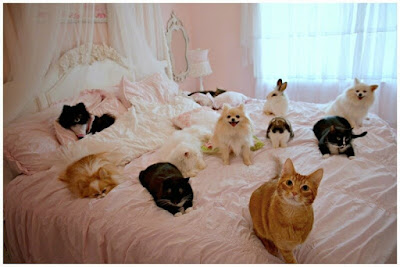
Pet health and hygiene at home goes beyond food and grooming as we take a closer look at ways we can create a better living environment for our Pets— cleaning and disinfecting their beds. This responsibility not only applies to Dogs and Cats, smaller Pet types such as Rabbits, Guinea Pigs, Chinchillas, even Birds too!
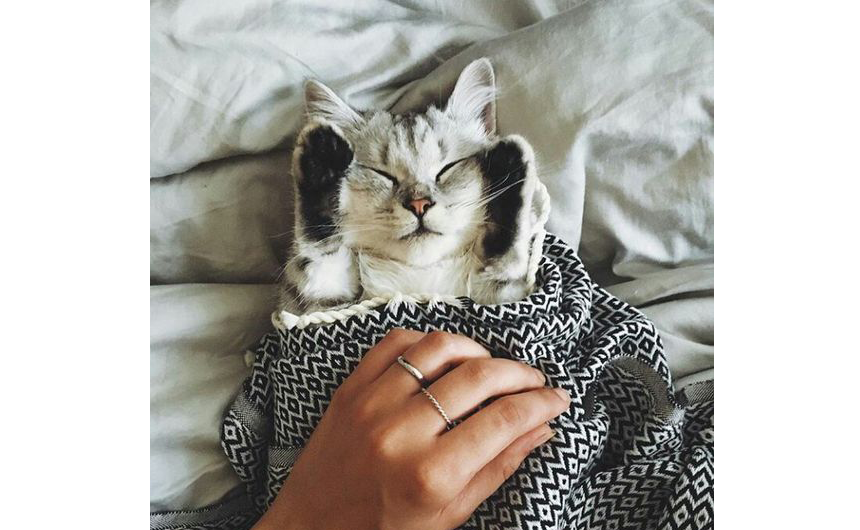
Cat bed
Source
Cleaning of their bowls and accessories should be part of a daily routine, discover quick methods and steps of easing up that process here.


Just How Dirty Can My Pet's Bed Get?


Like us, our Furkids come in contact with potential bacteria every single day, the only difference is that we have better knowledge to efficiently clean ourselves up. It's high time to give your Pets a hand with that— here are a few questions to address to understand the importance of properly cleaning their beds:


  • Does your Pet shed a lot?
  • How frequent do you take them out for a walk?
  • Does your Pet drool excessively?
  • Do they have current allergies or skin issues?
  • How quickly does dust accumulate at home?
Washing Guinea Pig beds
Source
Bacteria, germs, diseases and harmful pathogens can be carried through many ways, such as vomit, saliva, urine, faeces, any other form of discharge and even hair/fur. These are potential nesting grounds for a lot of bacteria— Regular washing enables easier and more efficient removal of these pathogens. Since regular grooming is already an essential part to having a pet, why let the cleaning effort go to waste when you can ensure that they are turning in for a good night’s rest on a fresh clean bed☺


1. Vacuuming 

To start off, you can include vacuuming your Pet’s bed in your weekly home cleaning regime, especially for Pets that shed a lot— Clumps and clusters of hair and fur get stuck in and on their beds! 

Hot Tip #1      A good quality vacuum can even come with brush-heads of excellent assistance in picking up Pet hair on fabric.


2. Lint-Rolling

A good roll-over with a lint-roller or tape can also quickly get the job done! Additionally, this gets rid of dust, and the chances of them swallowing their own fur is greatly reduced.
cleaning rabbit cage
Source

3. Choosing A Suitable Pet Bed 

This can be tricky, there are too many adorable designs! Your Pet’s unique preference(s) might come first, but we should also consider if it is laundry-safe. For example, a Pet bed with removable covers that allows washing would be ideal— you can easily chuck the covers into a washer for a good rinse. A bed with non-removable covers on the other hand, would require a much longer time to dry after rinsing.


4. Disinfecting With High Heat

The advised temperature to successfully kill any harmful pathogens is 60°C to 70°C (140°F to 158°F). 
  • Pre-soak bed covers in boiling water and Pet-friendly detergent. 
  • Opt for an even natural cleaning agent like Distilled White Vinegar instead.
  • Soak for at least one hour 
  • Rinse thoroughly with water 
  • For laundry-friendly fabrics, pop them in the washer!

Frenchie In Bed
Source

Hot Tip #2      Avoid using bleach and fabric softeners, bleach is harmful if not properly washed and ingested by your Pets, and fabric softeners could be really tough on their sensitive noses.


5. Drying Methods

Using a Dryer is one efficient way to dry any permissible material, but for those of us that do not have one available at home, the Sun is your best friend! Fresh, sunned-out laundry not only smells great, it further depletes any remaining bacteria. Now you can ensure your Pet has a clean and dry bed ready on the very same day of washing☺

Don’t forget to give their beds a good spritz of Pet-friendly disinfectants and air out before you usher your Furkids in.

Hot Tip #3      During seasons where you can’t be too sure of rain or shine, swing by a Laundromat and pop your laundry into a Dryer for a spin!
Pets In Bed
 Source
Happy Cleaning!


You might also be interested in:


Your Stories Can Be Heard Too


Have YOU tried any of these products? Your voices are important to us and the Pets community! Our readers are encouraged to share their Pet-related reviews of a place and its services, experiences, even lifestyle tips and tricks to better our Pets lives, on our platform, one paw at a time. Be a part of an educational and informative Pets community because at ThePetsDialogue, your voices could make a huge difference on a global scale.

Write to us at [email protected] today!


Our website is a work in progress, however, if you did find our articles interesting please do feel free to share! For more Pet care tips and other Pet-related articles, head to www.thepetsdialogue.com ☺


Disclaimer

This article was written with informational purposes, as you know, we’d love to share our collective research and experiences as fellow Pet owners and lovers. It is not meant to alternate in any way as advice or diagnosis of Professionals.

ThePetsDialogue claims no credit for images posted on this article unless otherwise displayed/stated. All rights go to respective owners as mentioned. If you do not wish for your image(s) to appear here do drop us an e-mail and it will be removed promptly. If you do wish to use any of our original published information, you are welcome to contact us!

Monday, June 18, 2018

Understanding Cats Behaviour: What Is My Cat Saying?

Understanding Cats Behaviour: What Is My Cat Saying?


Mysterious and unpredictable, you don’t have to own a Cat to know some general characteristics our feline friends are renowned for. However, you'd be surprised to learn that to the contrary of Cats looking too serious and non-expressive, there's a high chance you could have missed out on some communicative signs from your kitty☺
Cat Body language
Source
What is my Cat trying to say?

The initial thought of trying to understand your Pets may be baffling to many and even insane to some— the knowledge in turn results in a fun process and stronger Pet-owner relationship. If you didn't already know, Cats express themselves best through their body language and sounds they make, Every Kitty is a unique individual in their own ways. With a little time and observation, you’d be able to read your feline companion much better:


Angry Cat Body Language & Sounds


Being as agile, active and feral as they are, Cats have a myriad of body movements— ones that can tell us a lot about what they’re thinking of while in your presence. Some of which are easily recognizable, for they aren't too far off from common human expressions! Longer observation also teach us to differentiate the sounds that accompany these moods.


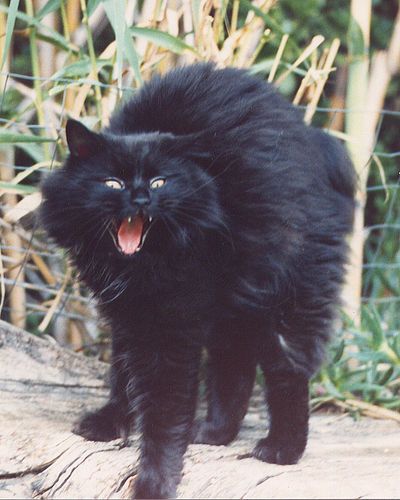
1. Angry Cat — It doesn't take a Cat expert to know that this is high time to back off when you see these clear indications of anger and/or fright:

- Straightened Tail
- Standing Hairs
- Snarling Expression
- Flattened-backward Ears
- Hunched Back on Four Feet

Fun Fact #1      Did you know, a Cat fluffs up its hairs in moments of anger, as an all-out attempt to look larger than what’s frightening or threatening them? The bigger the badder, indeed. 
Angry Cat
Source
Angry Sounds — The sounds that accompanies an angry Cat are usually as follows:

Hissing and Spitting 
Low-toned Growls 
Long Yowling 

When encountering an angry Cat, it is best advised to not approach them at the moment. This prevents adding onto the tension to this already stressed-out Cat. Observe from a distance, provide personal space and approach only when your Cat isn't displaying any hostile tendencies.


2. Sad Cat — While most Cats are independent, they do so require adequate attention from their owners. Lack of brain stimulation and/or attention makes any Kitty sad. Experts also believe that depression and illness can often be co-related to one another, especially in Pets. Some clear signs include:

- Excessive Sleep
- Avoidance
- Loss Of Appetite
- Poor Self-grooming

The above behaviour can also be displayed together with anger. If such behaviour persists, consult a trusted feline Veterinarian immediately to identify any underlying illness that is possibly causing your Cat discomfort.

Related:
Is My Cat Sick?: How To Tell If Your Cat Is Sick or Sad


Happy Cat Body Language & Sounds


A happy and comfortable Cat that trusts its human companion is often seen displaying more than just one body language and sound. You might already be aware of their love for kneading and hiding in boxes, but what about the following behaviours?


1. The Rolling Cat — A rolling good time is when your Cat trusts you, exposing the least glamorous positions whilst exposing their vulnerable soft bellies. To avoid any accidental injuries (scratching or biting), only try stroking their bellies if you know they're comfortable with it!


It’s play-time Hoomin! Watch me roll and stretch to my heart’s content.
Cat behaviour
Source
Before you get too caught up with this sight, know that a Cat's pride holds this behaviour for no longer than a minute, as most owners reported— realizing that they might have revealed too much of themselves, they flip right back up. 


2. Rear Flaunting — Heard of the common expression for Cats, jerk-move? Then you must know of how Cat owners sometimes wake up to their feline companion's butts in their faces. And while the stench is understandably revolting to many— perhaps you’d feel better knowing that  this is how Cats exchange pleasantries with the ones they deem friends or family! 

This is how we greet friends, are you my friend, Hoomin?
Cat behaviour
Source
Fun Fact #2      You can also see this butt-flaunting action when you are giving kitty a good rub down along its back. You know you're giving a sensuous massage and your Cat's loving it!


3. Rubbing Against You — Humans, objects, walls and even fellow felines, Cats love rubbing up against the living and/or inanimate objects as a form of scent marking. On a good day, some Cats may also adopt the habit of softly head-butting or nuzzling you— actions we personally find most adorable! Through these actions, the release and imprint of pheromones enables them to recognize their own scent, thus claiming what's theirs.

You belong to me, and all of these other things too!
Cat behaviour
Source
Fun Fact #3      Our feline friends love the warmth of a human being. Allowing your Cat to sniff you as and when they do is a great way to bond and build even more trust! 


4. Monorail Cat — Oh Kitty, where have all your legs gone to? Fondly referred to as a Monorail or Hover Cat, here your Cat has its legs tucked in snugly underneath its body. We’d like to think of this as a Cat loaf, only because it looks exactly like a soft, freshly baked loaf of bread, right out of the oven.

I like this spot very much, I think I’m gonna cozy up right…here.
Cat body language
Source
Feeling undoubtedly safe and relaxed around you, your Cat might even pair this behaviour with slow blinking— referred to by many as kisses from a Cat, so go on and return those kisses!  


Happy Sounds — The above body languages are what you can commonly notice from a happy and satisfied Cat, and sounds that follow those actions include purring, soft sweet meows, and long-low meows to show happiness, comfort, relaxation, and even as a form of greeting!  


Other Cat Behaviours


At times a Cat’s Body language isn’t necessarily caused by their moods. Instead, they could be indications or signs of other underlying issues. Here are a few noteworthy Cat behaviours to help you decode the possible problem:


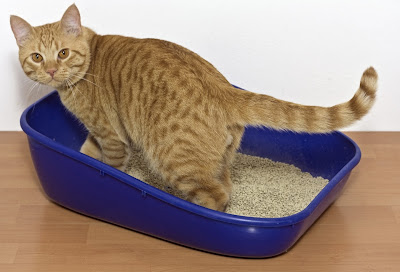
1. Exposed Fecal Matter — Cats love their privacy and cleanliness when they do their business in their litter trays, and they also have the habit of covering up their waste and urine with litter. If your Cat decides to leave its poo uncovered out of the blue over a period of time, you should ascertain that it isn’t related to a medical problem by making a visit to a trusted feline Veterinarian.
What is my cat saying
Source
If your Cat checks out fine, then you ought to ask yourself the following:
Have I done anything to annoy Kitty recently? 
Behavioural experts have also related this behvaiour to possible territorial issues between the Cats living within the same household. Retrace any changes in the environment you may have done and give your Cat some time to adapt.


2. Biting and Chattering — If your Cat isn’t suffering from anxiety problems, biting and/or chattering behaviour could be viewed as a bad habit. The fact that your Cat could be going through a routined manicure should also be considered. Your feline companion just appreciates a clean and shiny set of nails.
Cat body language
Source
Abruptly biting or nipping your hand however, is most likely due to over-stimulation. A Cat tends to get too excited during playtime with you— over-stimulation can build up to an ecstatic nip!

Fun Fact #4      A particular sound you may hear from a Cat that is interlinked to excitement is Chattering— this is a constant clacking sound most commonly heard when your Cat sights flying preys, or even during vigorous playtime with toys!


3. Sprinting And Leaping — Being unpredictable as they are, you may have already come across Cats sprinting, jumping and leaping for no apparent reason at the speed of light. No they do not have a screw loose— it is only natural that they require some moments of free-running time. Call it playtime or exercise, all Cats need quite a bit of both☺
Cat behaviour
Source
Fun Fact #5      Did you know that Cats are true-sprinters at heart, and have the ability to reach 50 km/h if they absolutely feel like doing so?


 Want to know more? You might also be interested in:


Your Stories Can Be Heard Too


Do YOU have a story to share? We’d love to share your stories with the world! Your voices are important to us and the Pets community! Our readers are encouraged to share their Pet-related reviews of a place and its services, experiences, even lifestyle tips and tricks to better our Pets lives, on our platform, one paw at a time. Be a part of an educational and informative Pets community because at ThePetsDialogue, your voices could make a huge difference on a global scale.

Write to us at [email protected] today!

Our website is a work in progress, however, if you did find our articles interesting please do feel free to share! For more Pet care tips and other Pet-related articles, head to www.thepetsdialogue.com ☺


Disclaimer

This article was written with informational purposes, as you know, we’d love to share our collective research and experiences as fellow Pet owners and lovers. It is not meant to alternate in any way as advice or diagnosis of Professionals. 

ThePetsDialogue claims no credit for images posted on this article unless otherwise stated. All rights go to respective owners as stated. If you do not wish for your image(s) to appear here do drop us an e-mail and it will be removed promptly. If you do wish to use any of our original published information, you are welcome to contact us!  

Wednesday, June 13, 2018

House Training For Puppies And Dogs: Quick Tips On Toilet Training

House Training For Puppies And Dogs: Quick Tips On Toilet Training


A comfortable roof, proper care and loving companionship aren't the only necessities in a good Pet-ownership, one of the most important bonding process involves training your Puppy or Dog. An excellent example of basic training— Where and/or when are they to poop or pee? While they are not endowed with the knowledge of where to relieve themselves, one of the first responsibilities we have to take on as Pet owners is teaching/parenting our Puppy or Dog.
Training for Puppies and Dogs
Source
Training a Puppy or new Dog may be tough for the first few months, but all you need is patience, perseverance, and encouragement for your canine pal.


Understanding A Dog's Instinctive Habits


1. Puppy Instincts — Puppies in general are known to relieve themselves 30 minutes to an hour after their meals. It's basic Math: small bladders + small tummies = much more frequent trips to the loo. In case you were wondering, Puppies that grow up with their moms do not face such dilemmas, mothering Dogs clean up after their pups so much, you'd hardly find them in a mess. The habit of defecating at the appropriate time and/or area are often self-taught through imitating their parent(s).
Siberian Huskies
Source
2. Old Habits — Welcoming a rescued or adopted Doggo into your life? Check with its previous foster/owner for walk timings, preferred type of loo (i.e. pee pads/newspaper). Growing accustomed to new "house-rules" cannot be immediate, however, gradual adjustments are best introduced beginning with old habits first.


3. Doggy Signals —  If you didn't already know, your Doggo has his/her own unique signal right before they have to defecate or go to the loo! Take some time to observe your Dog's behaviour— a few of the common signs are circling and/or sniffing around the same spot, and even barking. Sometimes, a trained Dog may even resort to scratching the door as a signal to get outdoors, and relieve themselves.
Dog Pooping
Source
What’s your Puppy or Dog's signal?☺


Dog House-Training Methods


1. Confinement — A popular method for owners whom aren't too fond of cleaning up accidental messes around the house. 90% of Dogs won’t defecate where they eat or rest, so please be sure to take them out for walks every 30 to 60 minutes during this training period. This gradually instills in your Pup’s mind that he/she should relieve themselves only when they are outdoors.
Crate Training
Source
Note      Confinement method may not be suitable for all Dogs, especially if your Pooch that has anxiety issues when caged up. Try confinement within a small room instead— like the bathroom or laundry room. Don’t forget to leave enough water and food during meal times!


2. Regular Walks —  Walks serve more purposes than just a daily activity to keep your Doggo healthy, it is also a crucial step in the process of house-training. While training your Dog, walk him/her around the same area they last defecated. More than half the time, Dogs will relieve themselves at the same spots— the scent leftover previously acts as a safe signal. 
Dog Walk
 Source


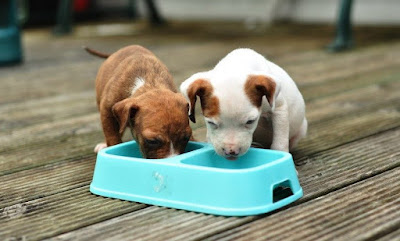
3. Scheduled Times — Developing a habitual routine for meals and walks have proved to be a helpful key to house-training. Only lay out food for meals, and removing the bowls after. Stick to consistent feeding and walking schedules— walks when they are awake, after meals, and before bedtime. You wouldn't want to head to bed with a full bladder, and neither does your Dog!
Puppies eating
Source


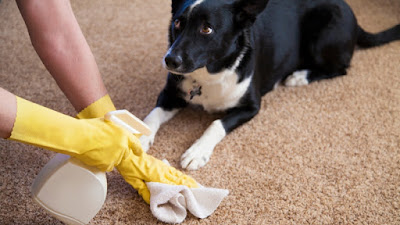
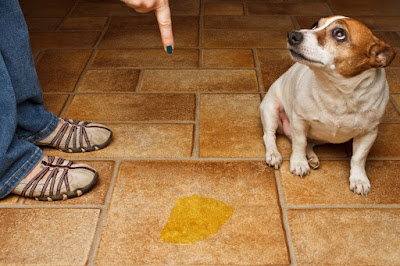
4. Efficient Cleaning — Accidents are inevitable during house-training, and while cleaning up more often than usual can quite a chore, do take extra precautions in ensuring that the soiled areas around the house is thoroughly cleaned. Remembering that previous scents are often triggers for your Dog to go again at the same spot, clean up the mess with White Vinegar as a natural cleanser and odor-eliminator. This quick and easy home-remedy works even for Pet bowls!


5. Positive Encouragement — Training is tough, and even tougher on your Doggos! No matter the frustration, forms of punishments such as yelling, reprimanding or hitting must be refrained. Old school hard-knock methods do not apply here, for you are aiming to build a bond and trust, not fear. Instead, try clapping your hands to surprise them— snap them right out of it, and bring them out immediately to relieve themselves.
Dog Behaviour
Source
Hot Tip      Enforce positive behaviour by rewarding your Dog with treats and praises for a job well done during training!


House-Training Adult Dogs


You may have already trained your adult Dog. Like humans, an ageing Dog also has tendencies of memory loss and physical disabilities. When your adult Dog seems to have forgotten about its training on some occasions, address the following questions:


1. Is there be a Medical issue? — Ageing decreases your Dog’s ability to control their bowels. To be absolutely certain, check with your trusted Veterinarian immediately. Possible medical issues could be related to bladder, kidney, and liver. 

Dog and Human Bond


2. Was your Dog scared by something? — “I was so scared, I almost pissed my pants!”— a common phrase uttered by folks of today to describe fear and shock. Behaviorists and Experts refer to this behaviour as Submission. This usually happens when a Dog is frightened by something; thunder, is one good example.


3. Was your Dog really excited about something? — Being overly-excited also causes some pooches to urinate. A simple greeting when you're home from work can be extra exciting and stimulating for your canine companion(s), resulting in involuntary relieving. To prevent that, try calming your Dog down when it greets you, especially when you can sense that they are getting way too overjoyed!


4. Was there a Change of Environment? — An abrupt change of environment can make a whole lot of difference for your Dog, give them some time to re-adjust and grow accustomed to their new surroundings. The same applies to a change of schedule for meal times or walks— after hard-wiring a routine into your Pooch, the slightest change requires time to adapt, alongside with your guidance no less!


Bonding With Your Dog


Training your four-legged friend goes way beyond teaching your Pooch acceptable habits, all the compromising and hard work will in turn double up as a meaningful reward for a harmonious relationship between Pets and owners. With a little bit of patience and consistency, the amount of satisfaction and bond is tripled— knowing you and your furry companion have gone through this learning phase together ☺ Stick to positive reinforcements during training, don't abuse your Pets! 


You might also be interested in:


Your Stories Can Be Heard Too


Have YOU got anything to share? Your voices are important to us and the Pets community! Our readers are encouraged to share their Pet-related reviews of a place and its services, experiences, even lifestyle tips and tricks to better our Pets lives, on our platform, one paw at a time. Be a part of an educational and informative Pets community because at ThePetsDialogue, your voices could make a huge difference on a global scale.
Dog Love
Source
Write to us at [email protected] today!

Our website is a work in progress, however, if you did find our articles interesting please do feel free to share! For more Pet care tips and other Pet-related articles, head to www.thepetsdialogue.com ☺


Disclaimer


This article was written with informational purposes, as you know, we’d love to share our collective research and experiences as fellow Pet owners and lovers. It is not meant to alternate in any way as advice or diagnosis of Professionals.

ThePetsDialogue claims no credit for images posted on this article unless otherwise displayed/stated. All rights go to respective owners as mentioned. If you do not wish for your image(s) to appear here do drop us an e-mail and it will be removed promptly. If you do wish to use any of our original published information, you are welcome to contact us!
Thursday, June 7, 2018

Reiki Healing For Pets: How Reiki Healing Works And Benefits Your Pet

Reiki Healing For Pets: How Reiki Healing Works And Benefits Your Pet


As better Pet ownership and animal welfare picks up, the lifestyle trends involving healthy eating, exercising and techniques have evolved to aid in a better well-being for for your Pet companion(s). We're talking Yoga, Raw diets and even Reiki healing— oh yes, there are a million and one ways to let your Pet enjoy a lifestyle almost as akin to yours now☺
How Reiki Healing works
Source: Top Left, Top Right, Bottom Left, Bottom Right
If you didnt already know, Animal Communications was established as a form of direct communication with your Pet through a practitioner to better understand their needs. And more often than rather, these services may also involve Reiki Healing.

Just what exactly is Reiki Healing for Pets?


Introduction To Reiki Healing


Reiki is a stress reduction and relaxation technique developed in Japan. Channeled through a trained practitioner, this method of healing enables an overall better energy flow the body. In other words, Reiki is a gentle and painless healing process that focuses on finding one's center and balancing one's inner energy. 
Reiki Healing for Pets
Source
In case you were wondering, Reiki Healing is sometimes paired with pre and post-surgery processes. For a Pet's inability to voice out their discomfort and pain, Reiki Healing has become a huge aid with Animal Rescuers, Veterinarians, Animal Behaviourists and even Pet owners themselves.  

Fun Fact #1      Did you know? Reiki Healing can be carried out by contact between the practitioner's hands and Pet, and also via a slight distance— hovering hands with minimal to no contact, for the ease of some animals.  


Benefits Of Reiki Healing For Pets


During a session of Reiki Healing, don't be surprised to catch your Pet in a calm and relaxed state, coupled with occasional yawning, and even falling asleep. Many believe this to also be the time when the practitioner communicates with the Pet— an attempt to uncover the source of their pains and issues. 
Reiki Healing for animals
Source
How Does Reiki Healing benefit myPets?

- Better Immune System (Post Cancer-Treatments)
- Overall Harmonious Energy
- Stress Reduction & Pain Relief
- Accelerated Healing Processes (Post-Surgery)
- Comforts Anxiety & Fear
- Enhancing Pet-Owner Relationship 

Reiki Healing ultimately promotes gradual results through periodical sessions, with the above benefits reflecting not only in your Pet's physical well-being, but also a sound state of mind, in all-natural processes.
Reiki Healing for Dogs
Source
Fun Fact #2      Owners don't just turn to Reiki Healing for post-op reason, sessions help with behavioural problems too— A happy, healthier and relaxed Pet may be more receptive to training and positive behavioural correcting.


You might also be interested in:

Cat Yoga: What Is Cat Yoga? Origins, Benefits And More

Speaking Directly With Your Pets: The Available Animal Communicators In Singapore


Your Stories Can Be Heard Too


Have YOU tried any of these services? Your voices are important to us and the Pets community! Our readers are encouraged to share their Pet-related reviews of a place and its services, experiences, even lifestyle tips and tricks to better our Pets lives, on our platform, one paw at a time. Be a part of an educational and informative Pets community because at ThePetsDialogue, your voices could make a huge difference on a global scale.

Write to us at [email protected] today!

Our website is a work in progress, however, if you did find our articles interesting please do feel free to share! For more Pet care tips and other Pet-related articles, head to www.thepetsdialogue.com ☺


Disclaimer


This article was written with informational purposes, as you know, we’d love to share our collective research and experiences as fellow Pet owners and lovers. It is not meant to alternate in any way as advice or diagnosis of Professionals.

ThePetsDialogue claims no credit for images posted on this article unless otherwise displayed/stated. All rights go to respective owners as mentioned. If you do not wish for your image(s) to appear here do drop us an e-mail and it will be removed promptly. If you do wish to use any of our original published information, you are welcome to contact us!