Showing posts with label Rabbit. Show all posts

Wednesday, December 12, 2018

Californian Rabbit: Albinsm Red Eyes and Himalayan Point Markings

Temperament, Origin and Care tips for Siamese Cats of the Rabbit World


Aside from the common bunny breeds that are popular as Pets, beauty and companionship can also be found in the lesser common breeds such as the Californian Rabbit! Little seal-point markings and red-eyes make this breed unique— but history tells us they were bred for other reasons initially...
Beautiful Californian Rabbit
via Tayto2010 on Flickr


History and Origin


Named after its origin, this breed is also known as Californian White, and was first developed for its meat and fur. Crossbreeding New Zealand Whites (without Angora genes), Standard Chinchilla (for coat density) and Himalayan Rabbits (for seal point markings) enabled George. S. West in achieving the Californian Rabbit breed in 1923, Lynwood, Southern California.
Three Californian Rabbits
via Aarabbits
The first Californian bunny to be exhibited at a show was during 1928. Acceptance as an official breed by the ARBA (American Rabbit Breeders Association) happened much later in 1939. Today, Cali Rabbits are prized for its multi-purpose capabilities, especially for its charm as a domestic companion.


Californian Rabbit Appearance 


Size — Relative large sized Rabbit, weighing an average range of 3.5 to 4.8kgs.


Features — Bearing close resemblance to New Zealand Whites and Himalayan Rabbits, Californian Rabbits have red-eyes due to Albinism in genes and dark coloured seal-points on ears, nose, feet and tail.
Four Californian Rabbits standing over lattice
via Pinterest
Fun Fact #1      Pigmentation can sometimes be affected by surrounding climates! Coldness might result in "smut-like staining" on white areas. Natural molting of fur returns the coat to its original shade of White☺    


Colours — Seal-point colouration standards varies for different countries for show Rabbits:
  • United Kingdom — Black, Blue, Lilac and Choco point
  • United States — only Black point

Fun Fact #2      Lighter variants of seal-points on a Californian Bunny are common results of further cross-breeding, usually with New Zealand Rabbits to meet food demands.


Californian Rabbit Grooming Requirements


Regular brushing at least once every 2 weeks with a bristled comb is required for this breed's short, dense and coarse hair with an undercoat. Molting/shedding process calls for an increase in brushing and combing, preferably 1 to 2 times weekly. 
Two Californian Rabbits eating corn cob
via Pinterest
Baths are not advised for fastidious creatures like Rabbits. Water baths are in fact said to be very stressful for bunnies, not forgetting that they are also highly susceptible to cold. Since it is impossible to rule out chances of dirt getting stuck on their coats, check for debris frequently, especially in areas like the rears, ears and eyes!


Hot Tip      Not all Buns are tidy! Clean off soiled areas quickly by spot cleaning with a damp cloth. Towel dry very thoroughly after. Regularly check for long nails, clip away whenever necessary!

If you are unsure how to perform some of these tasks, bring them in for a professional grooming session by an experienced or trusted Groomer for small animals!


Temperament and Behaviour


Being a prized breed tells us this breed isn't all just for show. Despite being known worldwide for meat, fur and excellent show Rabbits, the inquisitive, friendly, active and playful nature of a Californian Rabbit makes them a desirable companion as well. Accompanied with a mild temperament, adaptability to surroundings and human contact can be easily cultivated with patience and a whole lot of self-exploration around the home. With proper care and love, a Californian Rabbit's average lifespan is 5 to 10 years.


How To Care For a Pet Rabbit


Feed — Good quality fresh Hay such as Timothy Hay is necessary provides your Bun with sufficient fiber, aside from daily servings of food pellets and greens. 


Hot Tip #2      Note to only introduce greens to rabbits above 8 weeks of age. Fruits can also be given in tiny proportions as an occasional snack or treat.


Hygiene — Maintain the cleanliness of your Rabbits home! A routined frequent change of food, water, bedding and litter is mandatory. Clear out their litter trays daily, and check for soiled bedding (Infection risks are high especially with a messy Bun! Accidentally consuming or sitting in their own waste over long periods is absolutely not good)


Californian Rabbit sitting in blankets
via Pinterest
Cage & Litter — Pick a suitable cage: 

  • Wire/Grill flooring — Make sure the gaps aren't too wide, and that there is a solid area for your pet Rabbit to rest its feet.
  • Solid flooring cage or enclosure — Litter-train your Buns by introducing a litter tray filled with litter (i.e. wood based pellets) and add in some feeding hay to entice them.


Bedding & Toys — Avoid Pine and Cedar wood based beddings to prevent potential respiratory problems well-known to occur for small animals. Keep your Rabbit(s) entertained with toys and hiding spots within their space when you're not available. Prevent overgrown teeth by providing wooden chew toys and chewable snacks.


You might also be interested in:


Your Stories Can Be Heard Too

Do you own a Bun? Share your story with the rest of the world! Your voices are important to us and the Pets community! Our readers are encouraged to share their Pet-related reviews of a place and its services, experiences, even lifestyle tips and tricks to better our Pets lives, on our platform, one paw at a time. Be a part of an educational and informative Pets community because at ThePetsDialogue, your voices could make a huge difference on a global scale. 

Write to us at [email protected] today!

Our website is a work in progress, however, if you did find our articles interesting please do feel free to share! For more Pet care tips and other Pet-related articles, head to www.thepetsdialogue.com☺


Disclaimer

This article was written with informational purposes, as you know, we’d love to share our collective research and experiences as fellow Pet owners and lovers. It is not meant to alternate in any way as advice or diagnosis of Professionals.

ThePetsDialogue claims no credit for images posted on this article unless otherwise displayed/stated. All rights go to respective owners as mentioned. If you do not wish for your image(s) to appear here do drop us an e-mail and it will be removed promptly. If you do wish to use any of our original published information, you are welcome to contact us!

Tuesday, November 27, 2018

Pre-Event Insights (Paws & Furs): Exclusive Highlights Of The Pet Event At Duxton Plain Park

A Tanjong Pagar GRC and Radin Mas SMC Collaboration for Pets


The year-end's wet weather might have gotten some of us yearning for a good stretch during the weekend, especially with our Pets! What better way to kick start the month of giving by sharing a fun morning with your companions at this upcoming Pet event— We are about to spread joy too, with pre-event highlights ☺

Various types of Pets in cute costumes
Dog, Rabbit, Cat, Hamster, Guinea Pig and Parrot in costume.

Spend quality time with your loved ones at a fun event, right in the heart of Chinatown and Outram!

Event : Paws & Furs
Date : 1st December 2018 (Saturday)
Venue : Duxton Plain Park (near Block 1C The Pinnacle @ Duxton)
Time : 8.30am — 11.30am


EXCLUSIVE HIGHLIGHTS


What can one expect? Well it wouldn't be much of a Pet event without stores, adoption drives, fun contests and freebies— we heard there's going to be FREE ice cream, for both owners and Dogs! 

A little extra spice that really get our hearts going include:
  • Getting a cute Caricature of yourself and/or your Pet
  • Get up-close and personal with companion Birds (Display)
  • Betta appreciation with Singapore Betta
  • Set a record of "The Largest Gathering of Dogs Enjoying Ice-Cream"!

EARLY BIRD SPECIALS

  • 8.30 am — Parrot Talk 
  • 9 am — Professional Juggling entertainment by The Annoying Bros 
  • 9.30 to 10.30 am — Two 30 min sessions for Dog Yoga with your pooch
  • 10.30 am — Magic Show for all ages
Event poster Paws & Fur

PRE-REGISTRATION PERKS


Get in on all the action with a head-start by pre-registering: 
  • Join in on record breaking for "Largest Gathering of Dogs enjoying Ice Cream"
  • Recieve a Certificate of Participation and Free Ice-cream 
  • Enter the Best-Dressed Doggie Contest
  • Redeem a Gift!
  • Up to $1,000 worth of prizes to be won

HOW TO REGISTER: 
Simply hit this link up to register before the event — 
PAWS AND FURS REGISTRATION


FREEBIES

  • Absolute Holistic — Air-dried sample
  • Purina — ProPlan Dog food sample
  • Bandana for Dogs
  • Ice cream, available for Dogs and Owners

STALLS AND PET MERCHANDISE


Get some shopping done all at the same time amidst the fun, from Pet accessories, a myriad of Pet treats, supplies and grooming services. Look out for the following Merchants:

Food and Treats

Pet Adoption

Share the love by showing some support to our local shelters, every and any sort of help counts! Keep an eye out for these booths:


This Is A Paid Collaboration


Event information provided by People's Association
(Tanjong Pagar GRC) (Radin Mas SMC)

Need a pre-event boost? 
Allow more Pet-owners to get a sneak-peek on what to expect and why they ought to join in on the fun☺

Write to us at [email protected] today!


Disclaimer

This article was written with informational purposes, as you know, we’d love to share our collective research and experiences as fellow Pet owners and lovers. It is not meant to alternate in any way as advice or diagnosis of Professionals.

ThePetsDialogue claims no credit for images posted on this article unless otherwise displayed/stated. All rights go to respective owners as mentioned. If you do not wish for your image(s) to appear here do drop us an e-mail and it will be removed promptly. If you do wish to use any of our original published information, you are welcome to contact us!

Wednesday, October 3, 2018

Cleaning And Disinfecting Your Pet’s Bed Efficiently: Why You Ought To And How You Can!

Cleaning Up Your Pet's Bed More Effectively With These Tips!


Pet health and hygiene at home goes beyond food and grooming as we take a closer look at ways we can create a better living environment for our Pets— cleaning and disinfecting their beds. This responsibility not only applies to Dogs and Cats, smaller Pet types such as Rabbits, Guinea Pigs, Chinchillas, even Birds too!
Cat bed
Source
Cleaning of their bowls and accessories should be part of a daily routine, discover quick methods and steps of easing up that process here.


Just How Dirty Can My Pet's Bed Get?


Like us, our Furkids come in contact with potential bacteria every single day, the only difference is that we have better knowledge to efficiently clean ourselves up. It's high time to give your Pets a hand with that— here are a few questions to address to understand the importance of properly cleaning their beds:


  • Does your Pet shed a lot?
  • How frequent do you take them out for a walk?
  • Does your Pet drool excessively?
  • Do they have current allergies or skin issues?
  • How quickly does dust accumulate at home?
Washing Guinea Pig beds
Source
Bacteria, germs, diseases and harmful pathogens can be carried through many ways, such as vomit, saliva, urine, faeces, any other form of discharge and even hair/fur. These are potential nesting grounds for a lot of bacteria— Regular washing enables easier and more efficient removal of these pathogens. Since regular grooming is already an essential part to having a pet, why let the cleaning effort go to waste when you can ensure that they are turning in for a good night’s rest on a fresh clean bed☺


1. Vacuuming 

To start off, you can include vacuuming your Pet’s bed in your weekly home cleaning regime, especially for Pets that shed a lot— Clumps and clusters of hair and fur get stuck in and on their beds! 

Hot Tip #1      A good quality vacuum can even come with brush-heads of excellent assistance in picking up Pet hair on fabric.


2. Lint-Rolling

A good roll-over with a lint-roller or tape can also quickly get the job done! Additionally, this gets rid of dust, and the chances of them swallowing their own fur is greatly reduced.
cleaning rabbit cage
Source

3. Choosing A Suitable Pet Bed 

This can be tricky, there are too many adorable designs! Your Pet’s unique preference(s) might come first, but we should also consider if it is laundry-safe. For example, a Pet bed with removable covers that allows washing would be ideal— you can easily chuck the covers into a washer for a good rinse. A bed with non-removable covers on the other hand, would require a much longer time to dry after rinsing.


4. Disinfecting With High Heat

The advised temperature to successfully kill any harmful pathogens is 60°C to 70°C (140°F to 158°F). 
  • Pre-soak bed covers in boiling water and Pet-friendly detergent. 
  • Opt for an even natural cleaning agent like Distilled White Vinegar instead.
  • Soak for at least one hour 
  • Rinse thoroughly with water 
  • For laundry-friendly fabrics, pop them in the washer!

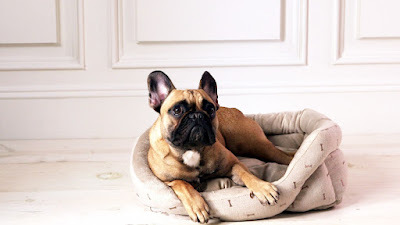
Frenchie In Bed
Source

Hot Tip #2      Avoid using bleach and fabric softeners, bleach is harmful if not properly washed and ingested by your Pets, and fabric softeners could be really tough on their sensitive noses.


5. Drying Methods

Using a Dryer is one efficient way to dry any permissible material, but for those of us that do not have one available at home, the Sun is your best friend! Fresh, sunned-out laundry not only smells great, it further depletes any remaining bacteria. Now you can ensure your Pet has a clean and dry bed ready on the very same day of washing☺

Don’t forget to give their beds a good spritz of Pet-friendly disinfectants and air out before you usher your Furkids in.

Hot Tip #3      During seasons where you can’t be too sure of rain or shine, swing by a Laundromat and pop your laundry into a Dryer for a spin!
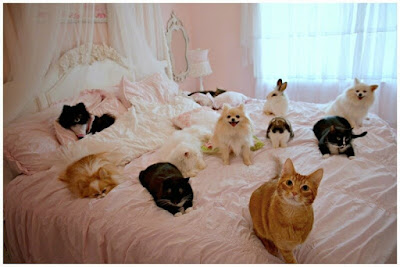
Pets In Bed
 Source
Happy Cleaning!


You might also be interested in:


Your Stories Can Be Heard Too


Have YOU tried any of these products? Your voices are important to us and the Pets community! Our readers are encouraged to share their Pet-related reviews of a place and its services, experiences, even lifestyle tips and tricks to better our Pets lives, on our platform, one paw at a time. Be a part of an educational and informative Pets community because at ThePetsDialogue, your voices could make a huge difference on a global scale.

Write to us at [email protected] today!


Our website is a work in progress, however, if you did find our articles interesting please do feel free to share! For more Pet care tips and other Pet-related articles, head to www.thepetsdialogue.com ☺


Disclaimer

This article was written with informational purposes, as you know, we’d love to share our collective research and experiences as fellow Pet owners and lovers. It is not meant to alternate in any way as advice or diagnosis of Professionals.

ThePetsDialogue claims no credit for images posted on this article unless otherwise displayed/stated. All rights go to respective owners as mentioned. If you do not wish for your image(s) to appear here do drop us an e-mail and it will be removed promptly. If you do wish to use any of our original published information, you are welcome to contact us!

Wednesday, August 22, 2018

Lion Head Rabbit: The Breed With A Majestic Mane And Gentle Heart

Lion Head Rabbit's History, Personality and Care Tips!


Demands for fancier looking Pets in the past have often led to selective breeding, providing a myriad of Pets that varies in terms of physiques and personality. Even small animals such as Rabbits have some that are more unique looking than others. While it isn't uncommon for a few Dog or Cat breeds to resembles larger mammal cousins/ancestors in the wild— for Rabbits however, we've got the Lion Head Rabbit.
Lion Head Rabbits Singapore
Source
How did the Lion Head Rabbit come about?


Lion Head Rabbit


Hailing from Belgium, Lion Head Rabbits were a result of crossbreeding. Natural occurances of genetic mutation is what gives this Rabbit breed its special appearance— though the specifics in regards to the cocktail of breeds used to achieve the Lion Head Rabbit is still a little hazy. First reports on crossbreeding were between a Netherland Dwarf and a Miniature Swiss Fox (a long hair Rabbit breed). 

Fun Fact #1      The original purpose of the above crossbreeding was to create a new long haired breed. That however, resulted in a genetic mutation— a long ring of mane around the Rabbit’s head. Thus, the Lion Head was born. ☺
Being a relatively new breed, Lion Head Rabbits continued to gain popularity around Europe and only arrived in America in the late 1990s. Although this breed was already recognized in the UK by British Rabbit Council in 2002, the Lion Head breed was still undergoing a 5 year test for consistency in America as presented by the ARBA (American Rabbit Breeders Association). Three successful presentations of the Lion Head Rabbit breed within five years finally earned them their recognition title in 2014.


Lion Head Rabbit Appearance


Size — A larger-than-dwarf sized Rabbit with a small compact body frame. The average weight of an adult Lion Head Rabbit ranges from 1.4 to 1.7 kgs.

Features — Be enchanted with the wispy, thin "Lion’s mane" of approximately 2 inches long— at times forming a fringe for the Rabbit's head (yes, it is as adorable as it reads). Their bold heads are coupled with short, upright ears. 

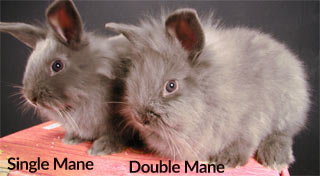
Fun Fact #2      Did you know, Lion Heads are available in two types of manes?— Single and Double manes. Some of them can also have different diversification of their fuzz, the thin feathering wisps could be located around their flanks, cheeks and chests too. 
Colours — The wispy colour variations of Lion Head Rabbits are pretty wide. Some available colours are Chocolate, Golden, Lilac, Opal, Black, White, Blue, Sable, Tortoise Agouti, Chinchilla, Fawn, and Chestnut.
Lion Head Rabbit Colours
Source


Grooming A Lion Head Rabbit


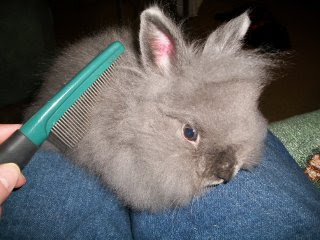
The pretty coat of a Lion Head Bun comes with extra care requirements. Run through with a slicker comb and brush at least 2 to 3 times a week. This rids loose hair and prevents matting. During moulting (shedding) periods, increase the number of times you comb weekly— the build up of loose hairs causes a higher chance of matting!
Lion Head Rabbit grooming
Source
Generally fastidious creatures of keeping themselves clean, Rabbits do not require water baths— water baths are said to be very stressful for bunnies, and they are also highly susceptible to cold. Since the possibility of dirt getting stuck on a long coat is higher, check for debris frequently. 

Hot Tip      To clean off any soiled areas, use a damp cloth to spot clean, then towel dry them very thoroughly after. It is also equally important to check for long nails, clip away whenever necessary!

If you are unsure how to perform some of these tasks, bring them in for a professional grooming session by an experienced or trusted Groomer for small animals!


Lion Head Rabbit Personality And Behaviour


Not only are these adorable, fancy-looking Lion Head Rabbits majestic, they are also playful, active and friendly— did we also mention gentle? Active Rabbits as such require even more space to explore and keep them entertained, better still if you have an allocated space just for them! Lion Heads are also intelligent and are possible to be trained (with the help of some treats). Bear in mind that all Rabbits are often wary and jittery at the start, but there is nothing a good amount of patience, effort and care can’t overcome.☺ With proper care and love, the average lifespan of a Lion Head Rabbit is 7 to 10 years.


Rabbit Housing And Feed


Hygiene — It is extremely important to maintain the cleanliness of your Rabbits home. A regular change of food, water, bedding and litter is mandatory. Clear out their litter trays daily, and check for soiled bedding (the risk of infection is serious, leaving your Buns to accidentally consume or sit in their own waste is absolutely not good)

Litter — Should you choose a cage with wire flooring, make sure there is a solid area for your pet Rabbit to rest its feet. Should you pick a solid flooring cage or enclosure, litter-train your Buns by introducing a litter tray filled with litter (i.e. wood based pellets) and add in some feeding hay to entice them.
Lion Head Rabbit double mane
Double Mane


Bedding & Toys — Avoid Pine and Cedar wood based beddings to prevent potential respiratory problems, especially known for small Pets. Keep your Buns entertained with toys and hiding spots within their space when you're not available. Wooden chew toys are handy in preventing overgrown teeth.

Feed — Hay has multiple uses besides being an important staple food source for Rabbits. Good quality Hay such as Timothy Hay provides your Bun with sufficient fiber, aside from daily servings of food pellets and greens. 

Hot Tip #2      Note to only introduce greens to rabbits above 8 weeks of age. Fruits can also be given in tiny proportions as an occasional snack or treat.


You might also be interested in:


Your Stories Can Be Heard Too

Do you own a Bun? Share your story with the rest of the world! Your voices are important to us and the Pets community! Our readers are encouraged to share their Pet-related reviews of a place and its services, experiences, even lifestyle tips and tricks to better our Pets lives, on our platform, one paw at a time. Be a part of an educational and informative Pets community because at ThePetsDialogue, your voices could make a huge difference on a global scale. 

Write to us at [email protected] today!

Our website is a work in progress, however, if you did find our articles interesting please do feel free to share! For more Pet care tips and other Pet-related articles, head to www.thepetsdialogue.com ☺


Disclaimer

This article was written with informational purposes, as you know, we’d love to share our collective research and experiences as fellow Pet owners and lovers. It is not meant to alternate in any way as advice or diagnosis of Professionals.

ThePetsDialogue claims no credit for images posted on this article unless otherwise displayed/stated. All rights go to respective owners as mentioned. If you do not wish for your image(s) to appear here do drop us an e-mail and it will be removed promptly. If you do wish to use any of our original published information, you are welcome to contact us!

Wednesday, July 4, 2018

Jersey Wooly Rabbit: The Quiet And Calm Personality With A Wooly Coat!

Jersey Wooly Rabbit: The Quiet And Calm Bunny Breed With A Wooly Coat!


Different breeds for Small animals such as Rabbits are often developed to satisfy the appreciation for unique appearances in the past. Easily mistaken for a Netherland Dwarf Rabbit due to their size and facial features, the Jersey Wooly is a separate breed of Rabbit known for its gentle personality— as soft as their wooly coats, if we may say ☺
Jersey Wooly Rabbit Breed
Source
Where did this wooly Rabbit come from?


Jersey Wooly Rabbit


Jersey Wooly Rabbits may not necessarily have an extensive history like other Rabbit breeds, simply because it is a relatively new breed developed only in the 1970s. A lady named Bonnie Seely from New Jersey was hoping to develop a Rabbit breed that had a calm and even temperament, on top of being tiny with a wooly exterior. Through careful selections of Rbbits with good temperaments, She decided to cross a Netherland Dwarf and a French Angora.
Jersey Wooly Rabbit personality
Source
The breeding result was a compact Rabbit with the size of a Netherland Dwarf, with a wooly but easy-care coat of the French Angora. In 1984 Bonnie began to display and exhibit these wooly Buns in Rabbit shows and conventions. And in 1988, the ARBA (America Rabbit Breeders’ Association) recognized these Buns under the name Jersey Wooly.

Fun Fact #1      If you haven't already guessed, the name Jersey Wooly was inspired by none other than this Rabbit breed's origins— New Jersey!


Jersey Wooly Rabbit Appearance


Size — The small compact bodies of a Jersey Wooly shouldn’t look too bunched-up nor stretched out. A fully grown adult Rabbit of this breed can weigh up to 1.5 kgs.

Features — A Jersey Wooly Rabbit's bold, squarish head has been lovingly nicknamed Mug-Head. Accompanying those heads are small erect ears of about 6 cm long. The distinguished feature of a Jersey Wooly Rabbit has to be its wooly coat of about 4cm, around the whole body.
Colour — Varieties are split into 5 groups, such as:
Jersey Wooly Rabbit Temperament
Source
1. Agouti, which consists of Chinchilla, Chestnut, Squirrel and Opal.
2. Self colour consists of Blue, Clack, Chocolate and Lilac.
3. Broken colours include all colours with White.
4.Shaded consists of Tortoise-shell, Sable point, Seal, Siamese, and Smoke Pearl.
5. Tan-pattern colour, which includes Black otter, Blue otter, Silver Marten and Sable Marten.


Jersey Wooly Rabbit Grooming


Though Jersey Wooly Rabbits have easy-care wool coats, the basic necessity of regular brushing is still required. This helps rid loose hair and keep your Wooly's coat free of matting and tangles. Due to the sensitivity of a Jersey Wooly's skin, avoid using a wire brush. Clean out their ears with a Vet-approved cleanser and cotton balls, trim their nails whenever necessary and check that their genital areas are always clean.
Rabbit groomer singapore
Brushing a Jersey Wooly
Hot Tip      Rabbits do not require water baths, they are extremely stressful and could cause skin irritation. Purchase pet-friendly powder-bath for small animals (not to be confused with sand-baths for Hamsters or Chinchillas). If you have a pet Bunny with bad toilet habits, you may spot clean soiled areas with a damp cloth. Keep your Rabbits dry!

If you do not know how to perform these grooming or maintenance tasks, approach a trusted Veterinarian or Groomer for advice and professional services ☺


Jersey Wooly Rabbit Personality


While Jersey Wooly Rabbits are developed specifically and known for their sweet, calm, and gentle personality, patience, love and attention go a long way in building a bond of trust. By allowing free-exploration time daily around the house, your pet Rabbits grow accustomed to their surroundings and gradually begins to socialize with other Pets— under your watchful eyes of course!
Jersey Wooly Rabbit information
Source
We'd always like to stress the fact that small Pets such as Rabbits may seem like an excellent choice for a first Pet, and yet they're subjected to abandonment when owners learn of their shy, wary nature and the responsibilities they come with for a small animal. Prior preparation and commitment results in a loving, lasting bond. With proper love and care, the average lifespan of a Jersey Wooly Rabbit is 8 years or more!


Rabbit Housing And Feed


Hygiene — Keep your Rabbits home clean. Fresh food, water and a regular change of bedding and litter is required. Change out their litter trays daily, and replace soiled bedding— leaving them to sit in their own waste could lead up to serious infections.

Litter — Any wired-flooring cage must have a solid flat area for the Bunnies to rest their feet. This prevents sore hocks. If you have a solid flooring cage or living space, ensure that your Rabbits are litter-trained. This can be achieved by introducing a litter pan filled with litter (i.e. wood based pellets) and feeding hay— to entice them.
Jersey Wooly Rabbit breed singapore
Source
Bedding & Toys — Avoid Pine and Cedar wood bedding, these bedding options are known to cause respiratory problems for small Pets and animals. Also provide them with toys for entertainment and ample space for daily exploring. Wooden chew toys are handy in preventing painful overgrown teeth!

Feed — Hay has multiple uses for your Bunnies. Apart from being a choice of bedding for some owners, good-quality Hay is also a staple food source in your Rabbit's diet. Invest in quality hay to provide your Buns with sufficient fiber, alongside the daily dosage of food pellets and greens.

Note to only introduce greens to rabbits above 8 weeks of age. Fruits can also be given in tiny proportions as an occasional snack or treat.

Your Stories Can Be Heard Too


Do you own a Bun? Share your story with the rest of the world! Your voices are important to us and the Pets community! Our readers are encouraged to share their Pet-related reviews of a place and its services, experiences, even lifestyle tips and tricks to better our Pets lives, on our platform, one paw at a time. Be a part of an educational and informative Pets community because at ThePetsDialogue, your voices could make a huge difference on a global scale. 

Write to us at [email protected] today!


Our website is a work in progress, however, if you did find our articles interesting please do feel free to share! For more Pet care tips and other Pet-related articles, head to www.thepetsdialogue.com ☺


Disclaimer


This article was written with informational purposes, as you know, we’d love to share our collective research and experiences as fellow Pet owners and lovers. It is not meant to alternate in any way as advice or diagnosis of Professionals.

ThePetsDialogue claims no credit for images posted on this article unless otherwise displayed/stated. All rights go to respective owners as mentioned. If you do not wish for your image(s) to appear here do drop us an e-mail and it will be removed promptly. If you do wish to use any of our original published information, you are welcome to contact us!

Tuesday, June 5, 2018

Rex Rabbit Breed: Do These Plush Velvet Rabbits Make Good Pets?

Rex Rabbit Breed: Do These Plush Velvet Rabbits Make Good Pets?


Photographs of the rather exquisite looking Rex Rabbit baffles many seeing them for the first time, as to how a coat as such is achieved— and more so, are these photos even real? The luxurious, thick, smooth coat of a Rex Rabbit is not just for show, accompanying that amazing coat is a genuinely lovable personality ☺.
Rex Rabbit breed information
Source
Believe it or not, this is one Rabbit breed that requires minimal grooming.


The Rex Rabbit


The Rex Rabbit breed is a breed of Rabbit named after its very own genetic mutation. Native to a little village in France, the Rex Rabbit was first developed in 1919. As pure appreciation of the Rex Rabbit's thick, soft coats multiplied, breeding also increased. The breed made it's first debut at an International Rabbit show in Paris, 1924, and thereafter introduced to America in the same year. 
Rex Rabbit Fur
Source
Unfortunately, such lush and exquisite fur caught the eyes of many besides Rabbit fanciers— the demand for Rex Rabbit fur was at an all time high.To cope with the increasing demand of a Rex Rabbit's fur, commercial breeding kicked in. However, this resulted in very poor-quality coats due to the unique nature of the Rex gene. In order to preserve and sustain the original show standard of the Rex breed, a few serious breeders and fanciers began selective breeding programs.


Rex Rabbit Appearance


Size — The Rex Rabbit is considered a medium to large sized breed. A fully grown adult Rex weighs an average of 3 to 5 kgs. They are known to have rounded and strong bodies.

Features — Two upright erect ears sit on a broad head— much broader as compared to other breeds of Rabbits. What they are widely revered for however, is none other than their soft coats, which has a smooth finish, and it's silky, velvety texture. Genetic mutation has resulted in equal hair length throughout a Rex's outer and undercoats.
Rex Rabbit colours
Source
Colour — Rex Rabbits are available in a myriad of colours, variations and patterns. Which includes Opal, Black, White, Broken, Seal, Sable, Lynx, Cinnamon, Otter, Dalmation, Smoke, Fawn, Chinchilla, Blue, and also Broken.


Rex Rabbit Grooming

As we've mentioned, not only are Rex Rabbits an absolute delight to the sense of touch, their short coats grow in only one direction— brushing is as close to none required. Nevertheless, do not neglect your Bunny’s well-being, take a brush through your Rex's coat at least once in two weeks or so. This rids any unwanted debris, and also creates an opportunity for owner-and-Pet bonding!
Rex rabbit breed information
Source
DO NOT place your Pet Rabbits into a water bath. As opposed to being a relaxing activity, water baths may induce stress and cause unnecessary trauma. If need be, spot clean soiled areas such as their vents using a wet cloth and very thoroughly dry after. Check and trim any long nails, clean our their ears with a Rabbit-approved cleanser and cotton ball.

If you are unsure how to perform these tasks, approach a reputable and trusted Groomer for small animals to engage in their professional services!


Rex Rabbit Personality


While described to be rather quiet by nature, Rex Rabbits are also known to be docile, gentle, and playful all at the same time. Spontaneity should not be ruled out either, you can expect your seemingly quiet Rex Rabbit to surprise you with sudden dashes, and leaps of up to a metre high— height proves to be of no challenge for a Rex bunny! 
Rex rabbit breed personality
Source
Their affectionate, intelligent and maternal traits make them excellent companions for adults, children and other household Pets alike. However, close supervision is advised when it comes to handling small animals to prevent avoidable injuries. Please also be advised to perform gradual introductions when it involves other Pets. With love and proper care, the average lifespan of a Rex Rabbit is 5 to 8 years.


Rabbit Housing And Feed


Hygiene — Keep your Rabbits home clean. A daily regular change of fresh food and water is absolutely necessary. Clean out their litter trays daily, and replace soiled bedding— you don’t want your bunnies to be sitting in urine soaked areas or fecal waste, that may lead up to serious infections if left unattended.

Litter — Since Rex Rabbits are known to be more prone to sore hocks, a wire-flooring should always include a solid/soft space for your Bun to rest their feet. If you have a solid flooring cage or living space, ensure your bunnies are litter trained— you can do so by introducing a litter pan; filled with litter (i.e. wood based pellets). Top off with feeding hay to entice your Bunnies.
Rabbit Health
 Source
Bedding & Toys — Avoid Pine and Cedar wood bedding, for these are said to cause respiratory problems for small Pets and animals. Also provide them with toys and ample space to roam about and explore. Wooden chew toys keeps nasty overgrown teeth at bay!

Feed — Hay has its multiple uses, it is also an important, staple food source for rabbits. Invest in quality hay to provide your Rabbits with sufficient fiber, aside from their regular diet of food pellets and safe greens.

* Note to only introduce greens to rabbits above 8 weeks of age. Fruits can also be given in tiny proportions as an occasional snack or treat.


Adopt A Rex Rabbit In Singapore

Even small animals like Rabbits cannot escape the harsh reality of pet abandonment in Singapore. Before you purchase a pet, please check with our local Animal Shelters for available options! There are Rabbits and other small animals abandoned every day, including Cats and Dogs. So give them a chance, you might indeed find a Rex Bunny, or another breed that would steal your heart away J


You might also be interested in these:


Your Stories Can Be Heard Too


Have YOU got a story to share? Your voices are important to us and the Pets community! Our readers are encouraged to share their  Pet-related reviews of a place and its services, experiences, even lifestyle tips and tricks to better our Pets lives, on our platform, one paw at a time. Be a part of an educational and informative Pets community because at ThePetsDialogue, your voices could make a huge difference.

Write to us at [email protected] today!

Our website is a work in progress, however, if you did find our articles interesting please do feel free to share! For more Pet care tips and other Pet-related articles, head to www.thepetsdialogue.com ☺


Disclaimer


This article was written with informational purposes, as you know, we’d love to share our collective research and experiences as fellow Pet owners and lovers. It is not meant to alternate in any way as advice or diagnosis of Professionals.

ThePetsDialogue claims no credit for images posted on this article unless otherwise displayed/stated. All rights go to respective owners as mentioned. If you do not wish for your image(s) to appear here do drop us an e-mail and it will be removed promptly. If you do wish to use any of our original published information, you are welcome to contact us!