Showing posts with label Species. Show all posts

Wednesday, July 25, 2018

Cockatiels: Tiny Cockatoos, Coral Cheeks, The Second Most Popular Choice Of Pet Bird

Cockatiels: Tiny Cockatoos, Coral Cheeks, The Second Most Popular Choice Of Pet Bird 


We've always been charmed by the dapper looking crown and rosy coral cheeks of a Cockatiel. While it may be a fun dream to actually own a large tropical feathered friend, a few restrictions may turn some folks toward an alternative that is more appropriately sized. With the vast range of olour variations with feathered friends today, it's still exciting when you discover a species with similar features in a much tinier package— the Cockatiel is one such Bird species. 
Jack the Cockatiel on Instagram
Don't these fellas remind you of their larger cousins, the Cockatoo?


Small Bird Species: The Cockatiel


Cockatiels were first sighted in Australia as early as the year 1770. This fun-looking species come in second place right after Budgerigars in terms of popularity as the favourite household pet. Not until further research which revealed that Cockatiels are actually a species of its own kind, they used to be regarded as the same species as Cockatoos. Being the smallest of the Cockatoo family, Cockatiels bear the same crested head that is oh-so-expressive.☺

Cockatiel history
There are many disputes as to how this specie's name came about. Cockatiels have been given a myriad of names in different regions of Australia, such as Weiro and Quarrion— In old documents and writings, Cockatiels were often referred to as “Yellow-Top Knot Parrot” and “Crested Parakeet”. Eventually in 1832, the Cockatiel gained its own classification.


Appearance Of A Cockatiel


Size — Cockatiels grow up to have an average length of 30 cm from crown to tail. However, their long tails make up half of that total, so you can do the Math— the actual body size of a Cockatiel is only 15 cm, just slightly longer than that of a Budgerigar!

Features — Two very distinctive features of a Cockatiel is none other than their expressive crested head, and Rosy orange cheeks in a circular shape. Like most breeds of Birds, females usually bear a less vibrant overall plumage.
KevinsBirds on Instagram 
Colours — In the wild, Cockatiels have a primary plumage of Grey with White strips on both sides of their wings. Breeding has brought about a variety of colours today, like Lutino, Albino and Cinnamon.  

Fun Fact #1      Love those coral shade cheeks? Cockatiels are also fondly nicknamed “Cheddar Cheeks” by enthusiasts— and we can totally understand why! J


Cockatiel Care Tips


Hygiene —  Keeping your pet Cockatiel clean is easy. You may opt to use a fine-spritzer spray bottle to give your pet Cockatiel(s) a good round of cool misting. Alternatively, owners place a perch in the loo and turn on the shower at low pressure— water from the shower should not be heated. Good weather is a great opportunity to let your feathered companion(s) bask in the Sun for a bit, watch the time...you don't want heat stroke to set in!

Food — A fresh change of food and water should be provided daily, and a good diet would consist of seed mixtures for Cockatiels, and the occasional inclusion of Vegetables and Fruits. Treats such as Spray Millet is one of their favourites, most recommended for effective training ☺  
Jack the Cockatiel
View a list of safe parrot foods:

Housing — An appropriate housing for a Cockatiel should have ample space for the Bird to flap its wings, and hop or leap around, especially when this species is known to be rather flighty. The home should also be able to house perches, toys, and other accessories like food and water bowls.

Toys — Fill up their cage with toys such as mirrors, and perches made of wood, rope, and mineral blocks for hours of entertainment. Don't forget the cuttlefish bone— a great source of calcium intake and maintenance of beak and claws. 
Ozaokame on Twitter
Other Pets — Cockatiels are fairly sociable creatures that require some attention daily. For working folks, it is recommended that you have them in groups or pairs— slow gradual introduction is advised for new family additions in the household.


Cockatiel Personality And Behaviour


The popularity of Cockatiels as a household Pet is backed by a few reasons— most of which relates to its gentle, sweet, playful and quirky nature. Best renowned for their ability to whistle, the call of a Cockatiel is neither piercing nor unbearable in time. If you live in an apartment, this may well be a much more feasible choice of pet Bird for you as compared to a large Parrot.
Affectionate Cockatiel
Rub-a-dub-dub!
Human speech is also said to be achievable through prolonged interaction with owners and training, preferably from a very young age. Male Cockatiels are known to be more responsive to speech training. Bonding with you on a daily basis eventually leads up to a close friendship that could entail an occasional head rubbing session.☺


Fun Fact #2      How does one even begin to understand a pet Bird? Well, emotions of your Cockatiels are sometimes readable via the behaviour of its Crest head!

Standing upright — Excited, Happy, or Shocked
Flattened against head — Agitated, Wary
Hanging loose, Half — Calm, Relaxed
via RedBubble
With proper care, a Cockatiel can live up to an average of 20 years— be ready for a long commitment! Having a feathered friend can be a ton of fun, especially when they are responsive to training. Even if they don’t, many bird owners find it therapeutic to watch their pet Birds.


Your Stories Can Be Heard Too


Got a tip to add onto the list? Your voices are important to us and the Pets community! Our readers are encouraged to share their  Pet-related reviews of a place and its services, experiences, even lifestyle tips and tricks to better our Pets lives, on our platform, one paw at a time. Be a part of an educational and informative Pets community because at ThePetsDialogue, your voices could make a huge difference.

Write to us at [email protected] today!

Our website is a work in progress, however, if you did find our articles interesting please do feel free to share! For more Pet care tips and other Pet-related articles, head to www.thepetsdialogue.com ☺


Disclaimer


This article was written with informational purposes, as you know, we’d love to share our collective research and experiences as fellow Pet owners and lovers. It is not meant to alternate in any way as advice or diagnosis of Professionals. 

ThePetsDialogue claims no credit for images posted on this article unless otherwise displayed/stated. All rights go to respective owners as mentioned. If you do not wish for your image(s) to appear here do drop us an e-mail and it will be removed promptly. If you do wish to use any of our original published information, you are welcome to contact us!

Monday, June 11, 2018

Budgerigar Types: Melodic Birds Of Australia With A Funny Personality

Budgerigar Types: Melodic Birds Of Australia With A Funny Personality


Bird ownership in Asia has transcended from small species of singing Birds for competitive purposes and leisure to admiration of larger Parrot species. And for the folks whom stand in-between, small species of Parakeets and Parrotlets were perfect. As one of the most popular Pet Birds you may find in your local Pet shop or Bird market, Budgerigars were introduced as feathered companions longer than we can imagine.
Budgie Care
Source
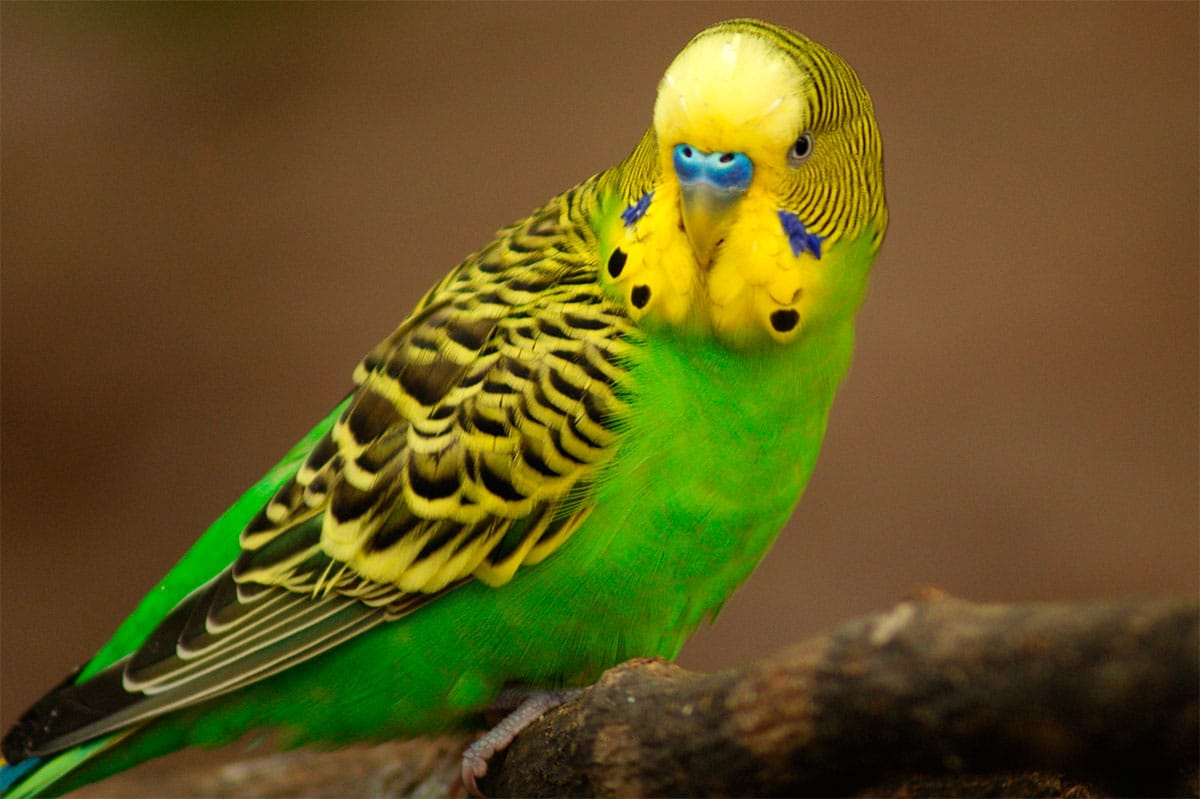
Vivid colorations and a fairy-like long tail isn't all that they boast— most of them have got a sense of musical funk you just can't ignore ☺


Parakeets: Budgerigar

(Melopsittacus Undulatus)


Found predominantly in Australia, Budgerigars are nomadic birds and one of the smaller Parakeet species amongst the variety of feathered Pets. First records were as described by George Shaw in 1805, an English Zoologist and Botanist. The binomial name of Budgies (Melopsittacus Undulatus) was given in 1840 by renowned English Ornithologist John Gould.

Fun Fact #1      The term Melopsittacus means "Melodic Parrot" in Greek, and Undulatus translates to mean Wavy-patterned in Latin. 
Wild Budgie colour
Source
For a Bird of this size, the myriad of names they are commonly known as in different parts of the world are rather astounding— Shell Parakeet, Common Parakeet, Canary Parrot, Warbling Grass Parakeet, Zebra Parrot, and Scallop Parrot. The most well-known term has to be Budgie, a loving abbreviation. As for the origins to the name Budgerigar, there are a few popular findings:

In the English slang of Australians, "Budgery" = Good. The closer sounding term derived from Aboriginals "Betcherrygah" on the other hand, has been debated to either mean Good Bird, or Good Food.

Fun Fact #2      In Mandarin, Budgies are referred to as the Tiger-print Bird— take a closer look at the markings of an original/normal Budgie, and you'll see why this name is pretty apt in fact! 


Budgie Types And Colours


Size — A small parakeet growing to an average length of 18cm (inclusive of tail), weighing 30g or slightly more, and has a wingspan of about 30cm.

Features — Depending on colour/marking mutations, most Budgies have recognizable features such as wavy markings on their wings, cheek patches, and throat spots on both sides of their necks. They also sport long tails. Males are usually identified by the colour of their cere (nostrils)— Unless albino, Males are known to have blue or purplish cere, depending on mutation type. 
Budgie Care tips
Source
Colours — Colour variations include Albino, Cinnamon, Violet, Spangled, Blue, Grey and more. There are currently more than 30 colour mutations for Budgies, classified under Normal, Opaline and Pied:

Normal types refers to Budgies with the closest similarities in wing markings as wild Budgerigars (yellow head with a light green body). Normal Budgies can come in different dominant colours other than light green. Wing markings can also be of a Brown or Grey hue instead of Black.

Opaline types are Budgies with slightly different wing markings— instead of Black, Brown or Grey with White or Yellow, Opaline Budgies usually sport Black, together with their dominant colour.  

Pied types have little to no markings at all, if seen, colours are usually in a splash or disarrayed manner. 

Fun Fact #3      Ever seen a larger-sized Budgie? That's the English Budgerigar, commonly bred for shows— these English fellas are taller, and most distinguished by their larger domed head crowns. 


Budgie Personality And Behaviour


Why are Budgies fun? Once tamed and comfortable in their surroundings, you're in the company of a real chatty feathered friend. Pop in a mirror or it's favourite toy, and observe how your Budgie has a friendly banter with the aforementioned. Also renowned for their mimicry skills amongst small parakeet species, some owners have managed to train their Budgies to speak their native languages. 
Budgerigar Care
Source
Training — While tempting as all that sounds, it is important to note that these are rather skeptical and wary Birds at initial stages. Patience is key when gaining your Budgies trust, gradual steps such as leaving your hand in the cage for a few minutes everyday, to eventually coaxing them to eat out from your hands play huge roles to basic taming. On top of all that, speak to your Budgies daily, reminding them of their names and your voice. 
Budgie Fun
It is not unusual to see a Budgie get some funk in their moves, this is just one of the many amusing quirks for most owners. Every Budgie differs, but this does not deter them from being highly responsive to sounds, especially music. With proper care, love and attention, the average lifespan of a Budgerigar is 5 to 8 years or longer.


Budgerigar Care Tips


Hygiene —  For baths, you may opt to use a fine-spritzer spray bottle to give your Budgie(s) a cool mist and maintain good personal hygiene. Alternatively, owners place a hanging bowl with shallow water— one wide enough for your Budgies to take a dip whenever they'd like. 
Budgie Type
Source
Food — Seeds are the primary staple in a Budgie's diet. Feeds can be found at any Bird or Pet store, you may even concoct your own combination of seeds if you are certain of which. Spray millet is usually used as a form of treat for training purposes. Aside from seeds, a small amount of fruit or vegetable can also be included occasionally. 

View a list of safe parrot foods:

Housing — Small parakeets like Budgies are often housed within a good-sized cage where they eat, sleep, play and naturally defecate. It is important to keep their homes clean, by washing out their cages at least once a week. Cages are advised to be non-circular, wide, and large enough for all necessities, short flights, hops and climbing about. Keep your Budgie's cage in a naturally lit space in the day, away from cold and areas with too much wind.
Budgerigar Colours
Source
Toys & Accessories — Budgerigars are known to be perky, active funny characters whom are capable of self-entertaining if you are unavailable at times. Bells, mirrors, rattan balls and rope perches are amongst the many toys you can include in your Budgie's home. The necessary accessories include a water bowl, food bowl, and wooden perches. 

Other Pets — Budgies are generally open to companionship of another, unless of a different species. Even with introducing a new Budgie to another, approach with caution by placing separate cages side by side to observe for a few weeks. Other household Pets such as Dogs or Cats require much slower introductions, due to their predatory nature. Unless your furry companions are extremely tamed, avoid any unfortunate consequences by keeping them safely separated.


You might also be interested in:


How To Tell If Your Pet Bird Is Feeling Sick


Your Stories Can Be Heard Too


Got a tip to add onto the list? Your voices are important to us and the Pets community! Our readers are encouraged to share their  Pet-related reviews of a place and its services, experiences, even lifestyle tips and tricks to better our Pets lives, on our platform, one paw at a time. Be a part of an educational and informative Pets community because at ThePetsDialogue, your voices could make a huge difference.

Write to us at [email protected] today!

Our website is a work in progress, however, if you did find our articles interesting please do feel free to share! For more Pet care tips and other Pet-related articles, head to www.thepetsdialogue.com ☺


Disclaimer


This article was written with informational purposes, as you know, we’d love to share our collective research and experiences as fellow Pet owners and lovers. It is not meant to alternate in any way as advice or diagnosis of Professionals. 

ThePetsDialogue claims no credit for images posted on this article unless otherwise displayed/stated. All rights go to respective owners as mentioned. If you do not wish for your image(s) to appear here do drop us an e-mail and it will be removed promptly. If you do wish to use any of our original published information, you are welcome to contact us!

Wednesday, May 23, 2018

Small Parrot Species: The Blue Crowned Hanging Parrot

Small Parrot Species: The Blue Crowned Hanging Parrot


The appreciation for feathered companions has increased significantly over the years. On the contrary to what some may perceive, pet Birds have proved to be just as loving and amusing as a furry pal to avid Bird lovers. Not all pet Birds are large, amongst the various option of species are smaller parrots such as Cockatiels, Budgerigars, Conures, Parakeets, Lorikeets, and Love Birds. One example is the Blue Crowned Hanging Parrot.
Malay Parrot
Source
Related:
Love Birds: Monogamous Creatures Of The Bird Kingdom 


The Blue Crowned Hanging Parrot(Loriculus Galculus)


Also known as Malay Parrot or Blue Top Parrot, the name Blue Crowned Hanging Parrot is derived from two significant factors— their beautiful blue crowns, and their habitual behaviour of hanging upside down. Blue Crowned Hanging Parrots can be found in Singapore, and neighbouring countries that include Thailand, Indonesia, and Malaysia.
hanging parrots
Source
Often sighted flying in groups, in pairs and even alone at times, Blue Crowned Hanging Parrots can frequently be mistaken as other small Bird species— their speed of flight is so quick, you'd have to keep your eyes peeled for that green plumage! In the wild, their preferred habitats are amongst mangroves, low-land forests and gardens. Currently, Blue Crowned Hanging Parrots have become a popular choice of Pet in many other countries, as well as being kept in Zoos of United Kingdom and USA.
blue crown hanging parrot upside down
Source


Blue Crowned Hanging Parrot Appearance


Colour — It is easy to spot a Blue Crowned Hanging Parrot up-close, with their primarily green plumage all around their bodies in different hues. Yellow tinged colouration is also noticeable on their abdomens and underside of their tails.

Features — Males don a vivid blue crown and red throat with black bills. Similar red could be seen at the covert of their tails. Females are usually duller in colour, sporting pale blue crown and very minimal red on their throats and tails, sporting an orangey tint for bills instead. 
blue crown hanging parrot upclose
Source
Size — These birds are relatively small in size, an adult bird can range from 12 to 13 cm in length.

Fun Fact       The same orange bill on Females can also be seen on the young of Blue Crowned Hanging Parrots. 

Blue Crowned Hanging Parrot Personality


When in captivity, we witnessed Blue Crowned Hanging Parrot to be very docile and wary of others apart from their owners. They get along great with members of the same species— often able to accept another species of a relatively similar size or smaller as well. Like most Parrot species, the Blue Crowned Hanging Parrot express their affection by responding well to training i.e. recalling. Gradually growing accustomed to daily routines such as bathing or feeding time can also be expected.
blue crown hanging parrot
Source
 Highly intelligent and receptive, training to perch on and off your hand is said to be quickly achievable. While they are small in size, their calls are distinct sharp, accompanied by short tweedles. After spending some time with them, you'd be able to pick out similar as they fly by.


Caring For Blue Crowned Hanging Parrots


Food — The Blue Crown Hanging Parrot thrives on fruits and seeds in the wild. A good seed mixture, fresh fruits or greens with occasional spray millet treats keeps your Parrots satisfied. Training comes in useful when you begin to consider some free-roaming time around and outside of their cages.

Related:
Parrot Friendly Fruits And Greens: What And How To Feed Your Pet Birds
blue crown hanging parrot eating
Source
Housing — Relatively active by nature, Blue Crowned Hanging Parrots enjoy a good climb back and forth and up and down— a good sized cage is most definitely ideal, furnished with ladders, perches and nesting spots i.e. Coconut shell, bird house, etc. Avoid overcrowding your cages with too many Birds.

Hygiene — If you have one or two small parrots, cleanliness of the cage shouldn’t be too much of an hassle. A cluster or more is bound to get messier— a daily rinsing of cage is advised. Clear out all dried fruit pulps, dropped feathers and fecal waste from and around the cage. A fresh change of food and water is equally as important, and baths at least two to three times a week.
blue crown hanging parrot male
Source
Hot Tip      Introduce bathing bowl tall and wide enough with shallow water— Small birds enjoy a good dip from time to time. Mineral blocks or Cuttlefish bone can be placed within the cage for them to maintain their beaks from overgrowing.


You might also be interested in:


How To Tell If Your Pet Bird Is Feeling Sick


Your Stories Can Be Heard Too


Got a tip to add onto the list? Your voices are important to us and the Pets community! Our readers are encouraged to share their  Pet-related reviews of a place and its services, experiences, even lifestyle tips and tricks to better our Pets lives, on our platform, one paw at a time. Be a part of an educational and informative Pets community because at ThePetsDialogue, your voices could make a huge difference.

Write to us at [email protected] today!

Our website is a work in progress, however, if you did find our articles interesting please do feel free to share! For more Pet care tips and other Pet-related articles, head to www.thepetsdialogue.com ☺


Disclaimer


This article was written with informational purposes, as you know, we’d love to share our collective research and experiences as fellow Pet owners and lovers. It is not meant to alternate in any way as advice or diagnosis of Professionals. 

ThePetsDialogue claims no credit for images posted on this article unless otherwise displayed/stated. All rights go to respective owners as mentioned. If you do not wish for your image(s) to appear here do drop us an e-mail and it will be removed promptly. If you do wish to use any of our original published information, you are welcome to contact us!

Monday, April 23, 2018

Winter White And Campbell Dwarf Hamsters: How Do You Tell Them Apart?

Winter White And Campbell Dwarf Hamsters: How Do You Tell Them Apart?


In the world of furry, adorable little critters of Dwarf Hamsters, you may well be no stranger to the different species available in our local Pet stores. We recall the very first encounter with a Dwarf Hamster in Singapore to be more than a decade ago. Initially, we'd only differentiate them via markings and colours, but it gets a little tricky when it comes to a Winter White and Campbell's Dwarf Hamster— how do you tell them apart?
Winter White and Campbell Dwarf Hamster
Source
Fun Fact      Did you know, that there are only 4 species of Dwarf Hamsters currently available as domestic Pets throughout the world?  


Winter White VS Campbell Dwarf Hamster


We'll let you in on the top 3 ways of telling these two Dwarf Hamster species apart, including care tips when owning your very own.

1. Origins


Winter White Dwarf Hamster — Also known by various names, including Siberian and Djungarian Dwarf Hamster. As one could've guessed by now, they originate from none other than Siberia. Winter White Dwarf Hamsters are well-revered to have excellent camouflages in the snowy climate of Siberia, protecting themselves from predators by changing their fur completely white. Reports by owners of this natural phenomenon usually occurs during the wintry seasons. However, the chances of this happening with a Winter White in domestic captivity may vary— especially once your Pet Hammie learns that camouflaging is unnecessary in its current surroundings. If any, slight appearances of white fur all around can be spotted as they approach adulthood.
Campbell Dwarf Hamster — With no relation to the soup brand we are all so familiar with, the Campbell Dawrf Hamster is instead, a name given by British Zoologist Oldfield Thomas. This was in honour of of the man whom collected the very first Campbell Dwarf Hamster specimen from Mongolia in 1902, named Charles William Campbell. Thus confirming the Campbell Dwarf Hamster's origin to be Mongolia.


2. Face And Features


Pure-bred species of a Winter White and Campbell Dwarf Hamsters have significant differences in facial features. The average size of an adult dwarf Hamster measures 7 to 9 cm.

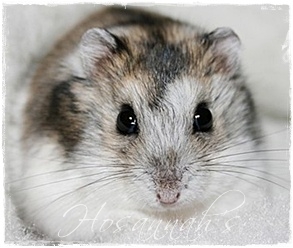
Winter White Dwarf Hamster — A wider, circular face. From front, larger and wider-set eyes. Ears are smaller and rounded out. Profile view is noticeably flatter as compared to a Campbell Dwarf Hamster.

Campbell Dwarf Hamster — Sharper face with smaller and closer-set eyes. Ears are sitting in a more upright placement with slightly sharper tips. Profile view is pointier and evidently longer.
Winter White Hamster Face FrontCampbell Dwarf Hamster FaceWinter White Dwarf Hamster ProfileCampbell Dwarf Hamster Profile


 3. Coat Markings


Another way of telling these two species apart is by their unique coat markings.

Winter White Dwarf Hamster — Usually carries a slightly narrower dorsal stripe marking down their backs, leading to three arches of a lighter shade on each side of their bodies. The coat colouration contrast that separates their bellies from the top is pretty obvious. Winter Whites are also reportedly hairier on the feet regions.
Dwarf hamster colours
Source
Campbell Dwarf Hamster — Campbells' too carry a dorsal stripe marking, however, theirs is said to be possibly a little thicker as compared to the Winter Whites, not as vivid, and do not form a crown or patch on their heads. Coat colouration that separates their white belly regions from the top is usually blended in by a soft beige-brown.
Winter White VS Campbell
Left: Winter White, Right: Campbell


Winter White And Campbell Traits And Personalities


Fortunately, there isn’t a vast difference when it comes to the personalities of the two species— Winter Whites and Campbell Dwarf Hamsters are playful, active, and love receiving affection from their owners. The only time you'd encounter any form of aggression is close to none, but if you do, something might be amiss with your Dwarf Hammie, causing discomfort and unfriendliness. Have them medically checked immediately.
Winter White Hamster running
Look at this Winter White go!
Winter White Dwarf Hamsters are perhaps the most vocal amongst all, as reported by most owners. They often squeak when they are in danger or whilst rough-housing within the cage. And while Winter Whites are very adaptable in the cold, Campbells are less tolerant. Regardless, these Dwarf Hammies keep themselves warm by moving about and exercising— talk about a warm-up!


Dwarf Hamster Care Tips


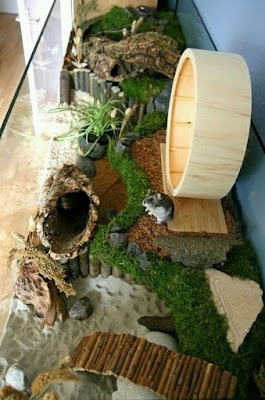
1. Housing & Bedding — A hamster cage should always be of ample space for them to run around, play and burrow. Because of their dwarf sizes, ensure your cages do not have wide grill gaps, otherwise the dwarf hamsters could easily escape.

As always, avoid pine and cedar wood bedding as they pose high risks of respiratory problems for many animals. Dwarf hamsters can get territorial if their housemates are not from the same litter, try to introduce them at an early stage if possible to avoid hostility within the same cage. Otherwise, fights can lead to serious injuries.
Fancy Dwarf Hamster Home
A Fancy Set-up
2. Toys & Accessories — Include toys such as the good ol’ hamster wheel, tunnels and even tiny houses for hiding and resting spots. Wooden toys can be provided for them to keep their teeth in check, they would have to chew to prevent overgrown teeth. Throw in an empty toilet roll every once in a while and watch how your hammies destroy or even make a home out of it!

3. Food — Hamster feeds are readily available at any pet stores, with a good mixture of nuts and seeds. While it is healthy to feed them safe treats such as fruits and greens, always note to feed in small portions and moderation. Similar to many animals, a dwarf hamster must absolutely not consume any caffeine or alcoholic products— food items such as/containing Chocolate and/or Coffee are a definite NO.
Dwarf Hamster Eating Broccoli
Source
4. Hygiene — Keeping your dwarf hamster clean is easy, they do not require water baths. Only bath them if absolutely necessary, i.e. if they can’t get certain stains off or if they are starting to give off a stench (this is most likely due to its living space instead, keep it clean at all times!). A damp towel works great as well, and if you have to use shampoo, choose an unscented, pet-friendly one. Always make sure your Hamsters are completely dry— Dwarf hamsters are very susceptible to cold, and water baths also results in stripping off the protective layer on their coats.

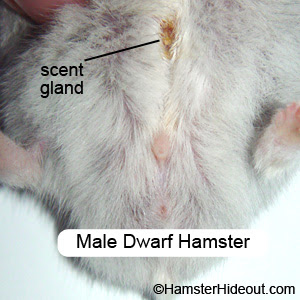
Male Dwarf Hamster Scent Gland
Source
You may locate a spot on the underside of a Male dwarf hamster that is slighty protruding, that would be their scent glands, used for marking territories, and tracing steps. It could get a little soiled sometimes— use a cotton swab or cotton ball with warm water to clean it. Always make sure they are thoroughly dried after.


Which Dwarf Hamster Species Should I Pick?


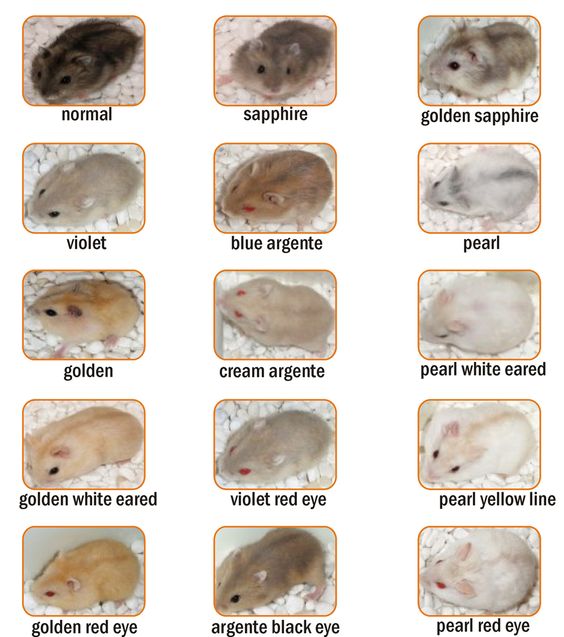
It is safe to say that there aren’t many pure-bred Winter Whites or Campbells sold in Pet Stores anymore, as excessive crossbreeding has since further shrouded the possibilities of pure-bred lines in the world. Most of what we see today are cross-bred, in a variety of available colours and markings.
Dwarf Hamsters as Pets
Source
But regardless of which, we can’t deny the fact that they are a lot of fun, packed into a tiny body! A dwarf hamster’s typical life span in the wild is 1 year, but in captivity with proper care, they live up to 3 years or more. Just be a little careful with young children handling these little creatures, adult supervision would prevent mishandling or accidentally dropping them.


Syrian Hamsters: The First Domestic Hamster Species


Your Stories Can Be Heard Too


Got a tip of your own? Your voices are important to us and the Pets community! Our readers are encouraged to share their  Pet-related reviews of a place and its services, experiences, even lifestyle tips and tricks to better our Pets lives, on our platform, one paw at a time. Be a part of an educational and informative Pets community because at ThePetsDialogue, your voices could make a huge difference.

Write to us at [email protected] today!

Our website is a work in progress, however, if you did find our articles interesting please do feel free to share! For more Pet care tips and other Pet-related articles, head to www.thepetsdialogue.com ☺


Disclaimer


This article was written with informational purposes, as you know, we’d love to share our collective research and experiences as fellow Pet owners and lovers. It is not meant to alternate in any way as advice or diagnosis of Professionals.

ThePetsDialogue claims no credit for images posted on this article unless otherwise displayed/stated. All rights go to respective owners as mentioned. If you do not wish for your image(s) to appear here do drop us an e-mail and it will be removed promptly. If you do wish to use any of our original published information, you are welcome to contact us!

Tuesday, April 3, 2018

Syrian Hamsters: The First Domestic Hamster Species

Syrian Hamsters: The First Domestic Hamster Species


As pointed out to us by a group of Hamster enthusiasts and experienced breeders, the scientifically accurate term for a kind or type of Hamster is referred to as a species, and not breed. Hamsters cannot be bred nor housed with a different species of Hamsters. They are essentially identified as different species individually. While some of us may argue that this is a controversial topic, we shall not deny the fact that accurate information can be shared as a form of education for the masses too.
Syrian Hamster Species
Source
With the increased popularity of dwarf sized pets in Singapore, even the smallest of pets like hamsters have shrunken in size, we could only wonder, where are the original sized hamsters? We recall the chubby, pudgy, hamsters that fit into your hands perfectly, sometimes they are so slow that it’s way beyond adorable.


The Syrian Hamster


Like their name states, Syrian Hamsters originate from Syria, first discovered by British Zoologist George Robert Waterhouse in 1839. The skin of his first Syrian Hamster specimen is currently housed in the National History Museum of London. In 1930, Zoologist and Professor Israel Aharoni captured a mother Syrian Hamster and her litter of pups in Aleppo, Syria. 
Syrian Hamsters were then bred in Jerusalem for use as lab animals. Some of these Syrian Hamsters eventually escaped through holes and bred in the wild. The offspring of the remaining few were shipped to Britain in 1931. In Arabic languages, they were adorably dubbed as Mr Saddlebags— their ability to store so much food in their cheek pouches is not unknown to many today ☺


Fun Fact      Did you know? The Syrian Hamster population in the wild is considered threatened now, due to the loss of habitat in their native lands. 


Appearance Of A Syrian Hamster


Size — A Syrian Hamster’s body is the size of an adult hand, and the average length of an adult Syrian Hamster is about 13 to 18 cm long.

Features — A Stout body carried by wide short legs, with a stubby tail that is barely visible underneath it's fur. Tulip shaped ears sit on top of their heads, coupled with large round eyes.

Fun Fact      Unlike the Dwarf Hamster species, the Syrian Hamster's nose and mouth are much more noticeable, due to difference in size, and sharpness.
Syrian Hamsters
Source
Coat — Both Short and Long hair are available.

Colour — The Syrian Hamster has many nicknames, and one of which is The Golden Hamster, and also Teddy Bear. These nicknames were derived from their different coat colours, but the original colour of the Syrian Hamster is none other than Golden! Other Colours include White, Cream, and Blue.


Grooming A Syrian Hamster


Syrian Hamsters are extremely easy to groom, for they do not require water baths. Only bath them if absolutely necessary, if they can’t get certain stains off or if they are starting to smell. A damp towel works great as well, and if you have to use shampoo, choose an unscented one. Always make sure your Hamsters are completely dry. Otherwise, Syrian Hamsters are great self groomers. Additionally, there are also long-haired Syrian hammmies out there (as informed by another Hamster enthusiast). These require a tad more effort in grooming in combing out their fur!
brushing a syrian hamster
Source
There are still mixed reviews as to whether a Syrian Hamster needs sand baths, because it seems that some Hammies like it, and some do not. Introduce your Hamsters with a little sand bath and watch how they react to it. Certain Syrian Hamsters are said to love digging and playing it, so it could be more of a burrowing behaviour as opposed to hygiene. 


Housing


Avoid pine and cedar bedding as usual, as they could cause respiratory problems, and ensure they have toys like tunnels and such in their cages or as an attachment, to mimic their natural habitats. Since Syrian Hamsters are relatively larger, ample space and hiding spots are a must, ensure they have enough space to move about and play while you are not available.  
Syrian hamster hiding
Source
Wooden toys are a must, Syrian Hamsters keep their overgrown teeth at bay with plenty of chewing. A good sized home is required for these active hamsters, and remember, one cage per hamster to avoid fighting!


Syrian Hamster Personality


Syrian Hamsters are docile, curious creatures with the adorable ability to store huge amounts of food in their cheek pouches. The possible forms of aggression can be derived from territorial issues with other Hamsters / a female that has just given birth / when they are accidentally shocked. 
Syrian Hamster profile
Source
A Syrian Hamster’s scent gland is located on the side of their hips, and they use these to mark territories. They make active and fun pets, and are much easier to handle than dwarf hamsters, but adult supervision is still advised for children handling them.
When in captivity and proper care, a Syrian Hamster can live up to 3 or 4 years.  

Fun Fact      When threatened by a new scent on her pups, an inexperienced mother Syrian Hamster may eat her pups. That is why we have got to be extra careful these babies!


You might also be interested in these:

Essential How To Life Hacks For Every Hamster Owner


Your Stories Can Be Heard Too


Got a tip of your own? Your voices are important to us and the Pets community! Our readers are encouraged to share their  Pet-related reviews of a place and its services, experiences, even lifestyle tips and tricks to better our Pets lives, on our platform, one paw at a time. Be a part of an educational and informative Pets community because at ThePetsDialogue, your voices could make a huge difference.

Write to us at [email protected] today!

Our website is a work in progress, however, if you did find our articles interesting please do feel free to share! For more Pet care tips and other Pet-related articles, head to www.thepetsdialogue.com ☺


Disclaimer


This article was written with informational purposes, as you know, we’d love to share our collective research and experiences as fellow Pet owners and lovers. It is not meant to alternate in any way as advice or diagnosis of Professionals.

ThePetsDialogue claims no credit for images posted on this article unless otherwise displayed/stated. All rights go to respective owners as mentioned. If you do not wish for your image(s) to appear here do drop us an e-mail and it will be removed promptly. If you do wish to use any of our original published information, you are welcome to contact us!