Showing posts with label Himalayan. Show all posts

Wednesday, January 31, 2018

The Himalayan Guinea Pig: Siamese Cats Of The Guinea Pig World

The Himalayan Guinea Pig: Siamese Cats Of The Guinea Pig World


Contrary to their names, the Himalayan Guinea Pigs did not originate from Asia, but South America instead. These Cavies are also known as the Siamese Cats of the Guinea Pig empire due to their unique and distinctive colour markings!


The Himalayan Cavy


Like other breeds of Guinea Pigs, the Himalayan Cavies are descendants of the first Guinea Pigs that were brought to Europe and then North America, centuries ago. The oldest breed being the American Shorthair. They originated from South America as early as 5000 BC, and they are descendants of the Tschudi Guinea Pig.
Himalayan Guinea PIg behaviour
Source
More and more breeds were created by humans, developing differently textured long-hair and even hairless Guinea Pig breeds through genetic mutation which are usually spontaneous. The Himalayan Guinea Pig is actually an Albino breed! 


View related: 


Appearance Of The Himalayan Guinea Pig


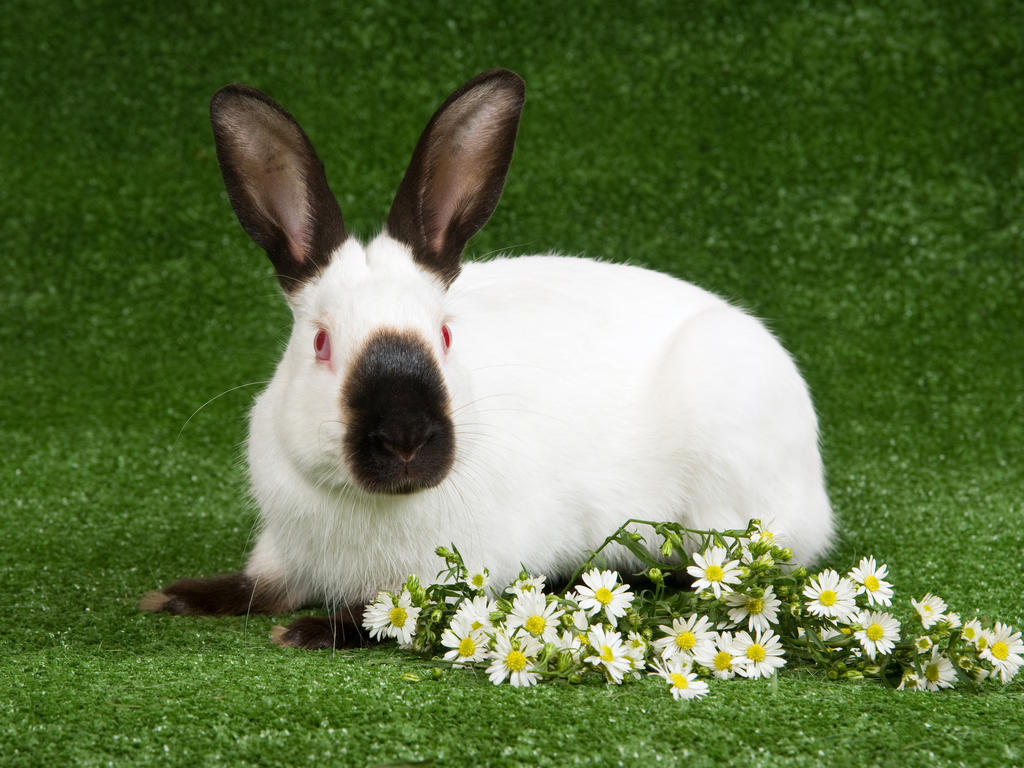
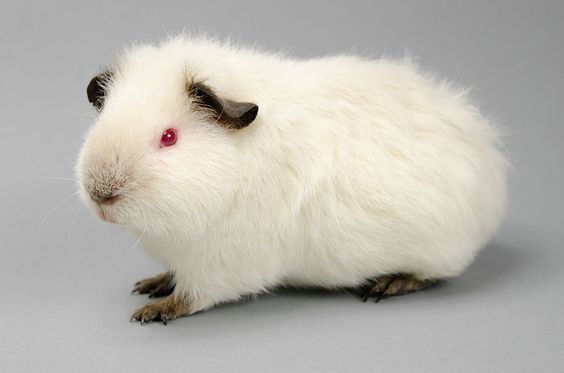
Himalayan Cavies are known best for their unique markings, also referred to as "seal-points". Similar to Himalayan Cat and Rabbit, Himalayan Guinea Pigs have bodies that are predominantly white, accompanied with dark Chocolate points on their ears, nose and feet. Their eyes are ruby Red. Interestingly, the pigmentation of these seal-points are said to be determined by the temperature and climate of their living environment!
Guinea Pig breed information
Source

Fun Fact      All Himalayan Guinea Pigs are born mostly White, and start developing pigmentation on their ears, nose and feet within a month. The true density of these points can be seen as they grow up to 3 months old.


Grooming And Care Requirements


When living in a warm or frequent exposure to sunlight, the pigmentation of their seal points may begin to fade— be sure to keep them in a well-shaded space! This phenomenon is said to also be an indication of illness or trauma, so watch their colouration carefully. 
Himalayans have short hair that do not require much cleaning unless they are soiled, so keep their living space clean at all times. Unscented soap may be used sparingly when giving them a quick bath, dry very thoroughly after. Replace their Hay, Water and food supplies with fresh ones while you clean up their area.


Quick Care Tips


Housing — A good and comfy home for the Himalayan or any guinea pig would be soft and quality bedding. Some owners opt for fleece towels or even hay, just ensure cleanliness at all times. Avoid Pine and Cedar wood bedding as it may lead up to respiratory issues. Straw is also not advisable for absorbency purposes.

Ensure the living space/cage is of an appropriate size, large enough for your active Cavy to run and roam about. To prevent them from eating soiled hay, clean their living space regularly and provide fresh food and water!


Feeding — Good quality Hay is an absolute staple in a Guinea Pig's diet. Introduce a plate of hay for food with food pellets mixed in. Guinea Pigs require a ton of Fiber and Vitamin C, inclusion of fresh vegetables and occasional fruits treats are healthy. Recommendations for good quality Hay types are Timothy Hay, to encourage healthy teeth and a good digestive system.

View Related: 
What Can My Guinea Pig Eat?: Guinea Pig Safe Greens and Fruits


Himalayan Guinea Pig Personality


Expect a curious, affectionate and friendly Cavy that would be a great companion with proper care and attention. It is advised to have more than one Guinea Pig due to curb loneliness. Spend a little time with them everyday, to play or be hand-fed— this builds trust. Entertain them with lots of toys and tunnels, and provide soft towels or fleece to hide in. The average lifespan of a Himalayan Guinea Pig is 5 to 8 years!


You might also be interested in these:


Your Stories Can Be Heard Too


Do YOU have a story to share? Your voices are important to us and the Pets community! Our readers are encouraged to share their Pet-related reviews of a place and its services, experiences, even lifestyle tips and tricks to better our Pets lives, on our platform, one paw at a time. Be a part of an educational and informative Pets community because at ThePetsDialogue, your voices could make a huge difference on a global scale.

Write to us at [email protected] today!

Our website is a work in progress, however, if you did find our articles interesting please do feel free to share! For more Pet care tips and other Pet-related articles, head to www.thepetsdialogue.com ☺


Disclaimer


This article was written with informational purposes, as you know, we’d love to share our collective research and experiences as fellow Pet owners and lovers. It is not meant to alternate in any way as advice or diagnosis of Professionals.


ThePetsDialogue claims no credit for images posted on this article unless otherwise displayed/stated. All rights go to respective owners as mentioned. If you do not wish for your image(s) to appear here do drop us an e-mail and it will be removed promptly. If you do wish to use any of our original published information, you are welcome to contact us!

Tuesday, May 23, 2017

The Himalayan Cat

Himalayan Cat Breed Or Colouration


One of our all time favourite Cat has long been the topic of slight confusion, is this Cat actually a breed on its own, or just a colour variant of the Persian Cat? Truth is, research and studies are still ongoing to prove either or. Regardless, this Cat is recognisable anywhere, and if you hadn’t already known, we're talking about the Himalayan Cat ☺


The Himalayan Cat


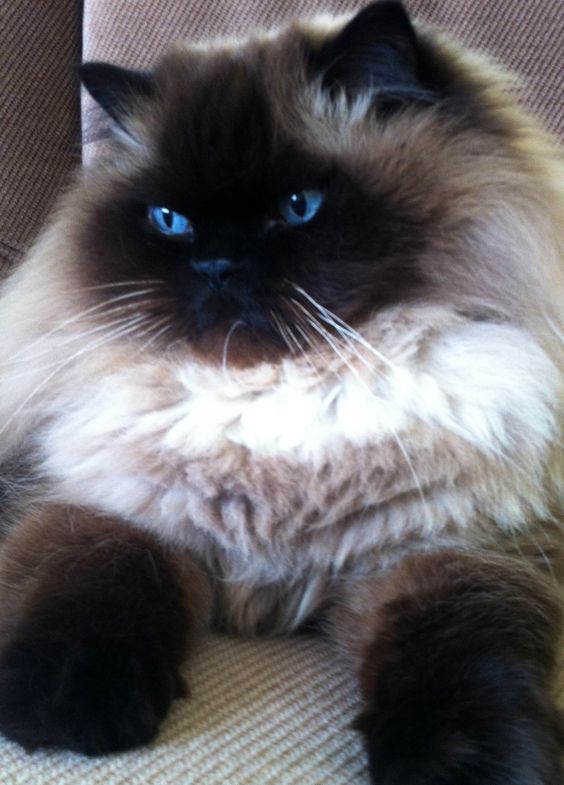
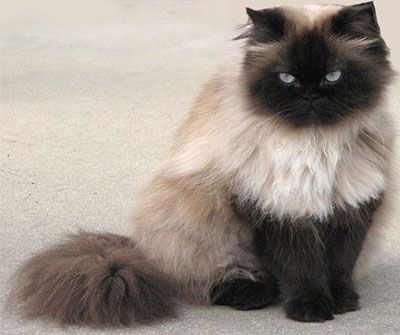
Also fondly known as Himmie for short, the Himalayan Cat is referred to by many in Europe as the “Colour-point Persian”. This is because the distinctive colouration of a Himalayan Cat is derived from crossbreeding a Persian Cat and a Siamese Cat. What breeders hoped to achieve was a long coat with the point markings of a Persian. The name Himalayan is also used to refer to other animals with similar colouration, such as the Himalayan Rabbit.

Himalayan Cat Pet Singapore
Source
The first study and test was conducted by Dr. Clyde Keeler of Harvard University and Virginia Cobb in the 1930s, the Himalayan Cat was referred to as Siamese-Persian then. Breeding efforts began in the 1950s by Mrs Marguerita Goforth in USA, and received recognition by CFA (Cat Fanciers’ Association) by the name Himalayan.

Himalayan Cat Pet Singapore
Source
Though Himalayans compete at shows under their individual division, some major Cat registries still do not recognize them as a breed, but more of a variation of the Persian Cat. This may be caused by the back and forth consistency of earlier-bred Himalayan Cats.


How Does A Himalayan Cat Look Like?


Himmies are a medium to large sized Cat, with a body structure similar to that of a Persian Cat (strong body with slightly short legs). But in certain cases where more of the Siamese genes are portrayed, their legs may be a little taller.

Himalayan Cat Pet Singapore
Source
Himalayans don long, thick coats of a Persian with vividly blue eyes, and they are also separated into two types of faces; the Peke-face (Persian trait, short “flattened” face and nose with large round eyes) or Doll Face (longer muzzle and smaller eyes). Despite their distinctive colour point markings, Himmies can be found in Seal, Blue, Lilac Flame Chocolate and Cream points, with Lilac and Chocolate as the rarest finds!


Grooming Needs


A stunning lush coat of a Himalayan Cat does not come without maintenance efforts, combing and brushing almost every day prevents the long hairs from matting and forming tangles! They also reuire regular baths (at least once a month), and eye cleaning especially for Peke-faced Himmies (don’t let those tears form build ups or stain their pretty coats).
Himalayan Cat Pet Singapore
Peke-faced Himmie
As always, clean out their ears with a Vet-recommended ear cleaner and trim their nails whenever necessary (once a week or so). If you do feel your Himmie may be in need of a little hair trimming, pop by a trusted Groomer for an all-in-one cleanup (we wouldn’t mind spending a little to ensure a Himmie’s coat stays FABULOUS ☺)


What Is A Himalayan’s Personality Like?


A Himalayan Cat’s personality is sweet and as pretty as they look, be it Peke-faced, or Doll-faced. You can expect an active, playful Cat that is also gentle, loyal and loving all at the same time. With their soft voices, they can be a little more vocal than a Persian, but only be heard when they want to be fed, or when they’re yearning for some attention.

Himalayan Cat Pet Singapore
Source
Although it does not take much to keep a Himmie entertained, it is important to note that they can’t stand to be neglected (though if you’re busy, they’d love being nearby, chilling on a couch or the floor) This is one Cat to admire, and be admired in return. Since they are not much of jumpers nor climbers, a serene home is much more suitable for this indoorsy Kitty, keep your Himmies safe at home with toys and loads of love!


Owning A Himalayan Cat In Singapore


We have not seen many Himalayan Cats around, which could be a good thing (we’re hoping they’re all kept safely at home). These Himmie Cats do not come cheap, unless you’re lucky enough to meet a rescued one at a local shelter. They do require more effort than other Cats for grooming maintenance, please ensure that you have done all necessary research and preparations to provide a safe, happy home for your Pet(s). With proper care and love, Himalayan Cats have an average lifespan of 9 to 15 years or more!


Adopt, Don’t Shop


Specific breeds are great, but we could say the same for all other crossbreeds and rescued strays. Before you head off to purchase a Pet, always keep an eye out for adoption drives or check out local shelters and groups for more options, you could always count on finding your next sweet kitty and providing a forever home for a rescued furry pal ☺


 You might also be interested in:


Your Stories Can Be Heard Too


Got a Birman Cat of your own? We’d love to share your stories with the world! Your voices are important to us and the Pets community! Our readers are encouraged to share their  Pet-related reviews of a place and its services, experiences, even lifestyle tips and tricks to better our Pets lives, on our platform, one paw at a time. Be a part of an educational and informative Pets community because at ThePetsDialogue, your voices could make a huge difference on a global scale.
Write to us at [email protected] today!

Our website is a work in progress, however, if you did find our articles interesting please do feel free to share! For more Pet care tips and other Pet-related articles, head to www.thepetsdialogue.com ☺


Disclaimer


This article was written with informational purposes, as you know, we’d love to share our collective research and experiences as fellow Pet owners and lovers. It is not meant to alternate in any way as advice or diagnosis of Professionals.


ThePetsDialogue claims no credit for images posted on this article unless otherwise displayed/stated. All rights go to respective owners as mentioned. If you do not wish for your image(s) to appear here do drop us an e-mail and it will be removed promptly. If you do wish to use any of our original published information, you are welcome to contact us!