

 Posts
Posts


Manx Cat Breed: The Rabbit Cat With No Tail
Not to be confused
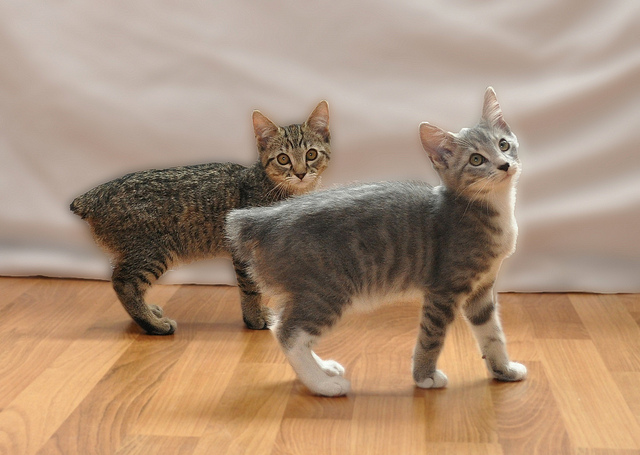
with other Bob-tail breeds, the Manx Cat is a domestic Cat breed known for its
rounded features, and tailless appearances. The way to tell the difference
between a Manx and a Bobtail— Manx have taller hind legs that give them a Rabbit-like
stance. Have you seen a Manx before?
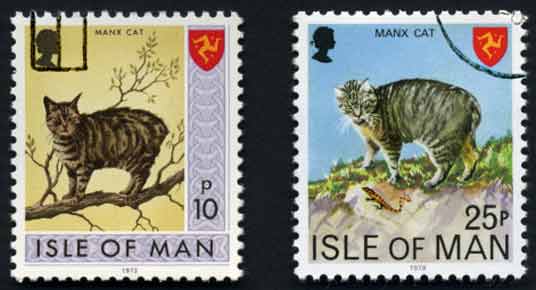
The Manx or Manks Cat
The Manx Cat
originates from the Isle of Man, as a domestic Cat breed with little or no tail—
caused by a natural mutation of a dominant gene. In the earlier years of 1800s,
Manx was often spelt as Manks
in the English Language. In their homeland, they are lovingly known as Stubbin.
 |
| Source |
 |
| Source |
Appearance Of The Manx Cat
The Manx is a small
to medium size Cat with short and long coat varieties. Long coat variants are
known in some other countries as a separate breed named Cymric. Manx Cats are
also available in many patterns and colours due to crossbreeding. Often
confused with Japanese Bob-tail or American Bobtail Cats, the Manx has a much
rounder head, rounder eyes and muscular body. Their hind legs are also notably
taller than the front legs, giving them a naturally hunched look.
 |
| Source |
Rumpy — No tail, a tuff of hair may be seen around the area
Riser — Tiny bump, most noticeable when Cat rises “tail”
Stumpy — Tail stump up to 3 centimeters long
Longy — Visible tail, almost usually half the length of a normal
Cat’s tail
Fun Fact Throughout their lives, the length of a Manx’s
tail does not change— what you get at birth remains the same!
Grooming A Manx Cat
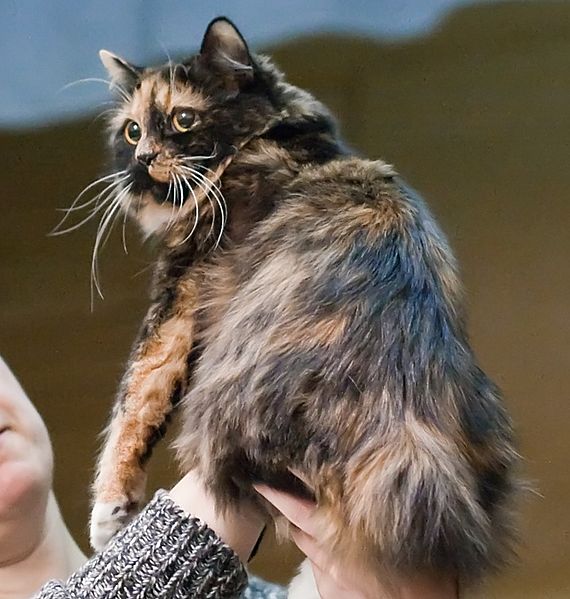
A Manx Cat has a dense
smooth undercoat and a coarse outercoat. To maintain a healthy coat for a Manx
(long and short) requires usual
combing of once to twice a week, just to rid loose or dead hair. Increase the
number of times for long-haired Manx and during shedding period. Check their
ears and eyes for dirt build-up and gently clean these areas with a cotton ball
and Vet-approved cleanser.
 |
| Source |
Make sure to trim
their nails and shower them whenever necessary, and practice good dental hygiene
with a Vet-approved toothpaste. If you are unsure how to perform these tasks
yourself, consult your trusted Groomer or Veterinarian for advice and
demonstration! ☺
Manx Cat Personality And Behaviour
This “Cabbit” is a
real people-person, and you can expect
your Manx buddy to come curl up in your lap when you are having a nice chill
out sesh on the couch by the TV. They are gentle Cats that also enjoy a bout of
fun activities like a game of fetch or being entertained by brain-stimulating
toys. They'd also share a convo with you or two using a soft, twilling voice.

Don’t let those
tail-less bottoms fool you— tall hind legs give them extra power in leaps and
jumps. Get ready those Cat-condos and proper meshing around the home, to keep
your Manx Cats happy and safe. They may be small, but don’t be surprised to
catch your little Manx darting around the house during their random energy sprints! With proper love and care, the average lifespan of a Manx is 13 or more years.
You might also be interested in:
Your Stories Can Be Heard Too
Got a Manx Cat of your own? We’d love to share your stories with the world! Your voices are important to us and the Pets community! Our readers are encouraged to share their Pet-related reviews of a place and its services, experiences, even lifestyle tips and tricks to better our Pets lives, on our platform, one paw at a time. Be a part of an educational and informative Pets community because at ThePetsDialogue, your voices could make a huge difference on a global scale.
Write to us at [email protected] today!
Write to us at [email protected] today!
Our website is a work in progress, however, if you did find our articles interesting please do feel free to share! For more Pet care tips and other Pet-related articles, head to www.thepetsdialogue.com ☺
Disclaimer
This article was written with informational purposes, as you know, we’d love to share our collective research and experiences as fellow Pet owners and lovers. It is not meant to alternate in any way as advice or diagnosis of Professionals.

No comments:
Post a Comment